
Stringer Theory
This was originally published in my Prime Lenses Newsletter. You can sign-up for a weekly update to your inbox here.
This weekend a book I picked up and was hoping I’d like didn’t agree with me so I went off the concept entirely and turned my attention to some films. Documentaries specifically, ones about photography and image making and thought I’d share in the newsletter this week a selection of really good camera related documentary films that I think you’ll all enjoy.
First up, a recent addition to Netflix, The Stringer. This is the highly controversial story of a group investigating whether or not the photo The Terror of War, commonly referred to as Napalm Girl, was captured by Nick Ut or by someone else. This is a big claim to make, and has been like a grenade going off in the photo community. Nick has been widely celebrated for the image over the years, he won a Pulitzer and has been outspoken in support of the role the image played in changing minds about the war overseas. Much good has come from the story surrounding the image putting him, Phan Thị Kim Phúc and others on stages around the world.
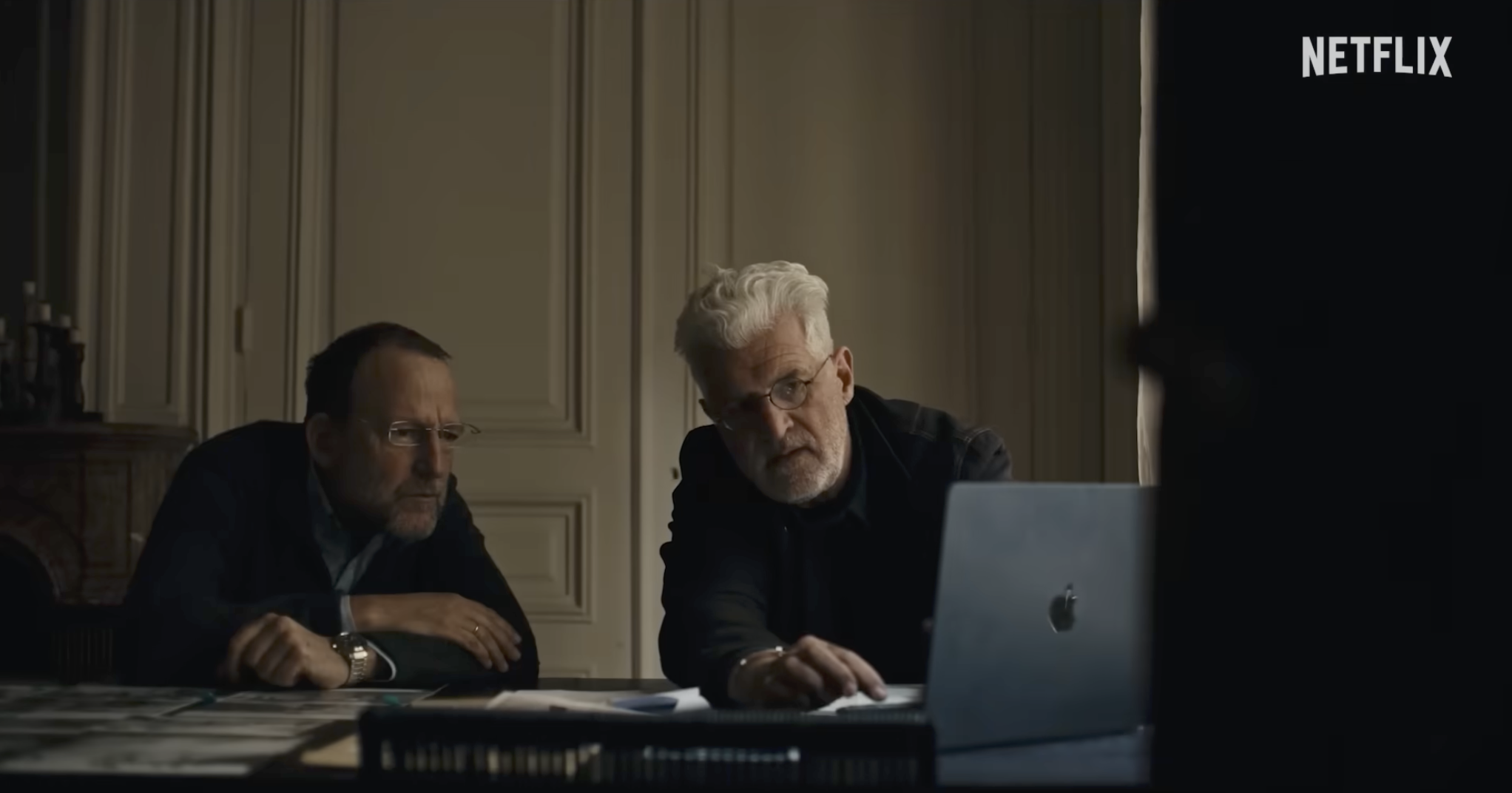
The documentary asserts a claim made by a former Associated Press staff member named Carl Robinson that the image wasn’t in fact made by Ut, but rather by a local freelance photographer or “stringer” who was also making images for the AP in the area. They go into detail around how they believe the bureau was run, how freelancers were used and some of the characters involved in an effort to track down the person who captured the image.
If you were to watch the film in isolation I think it would be impossible to walk away and not feel that the original attribution of the photo was incorrect. The forensics shown in the film make a compelling and clearly articulated case. Ut himself never makes an appearance outside of archive footage, he declined to take part and has been critical of the film and the impact it has on his reputation, which is my problem with the whole piece. The difficulty with revisiting this story over 50 years later is that it has been a very long time and the whistle blower at the centre of the story is clearly still very upset with his former employers at the AP. The film acknowledges that many of the people working there at the time are dead so aren’t here to make their case, and the lack of any input from Ut or Phúc is most definitely a problem. I have listened to others discuss the film at length, and combined with the fact that the attribution of the photo has been suspended by World Press, there is not a clear consensus.
Ultimately it feels like a bit of a tragedy. It undermines the impact this image has had and the enormous good that has come from the repeated sharing of it and discussions it prompted. The film has stayed with me in the days since and this will probably be one of the most significant photo stories of 2025 when we look back in years to come.
03-12-25 - This article has been updated to correct an error where I said that the photo attribution had been suspended. It has been suspended by World Press Photo, not Associated Press as I originally stated. Apologies for the error in the original post.

We’re running a special offer this week over on Patreon. If you use the code CYBERMON25 you can save 80% on your first month when you become a subscriber. A HUGE thank you to the folks who’ve already signed up this week! Offer ends December 6th, so be quick!
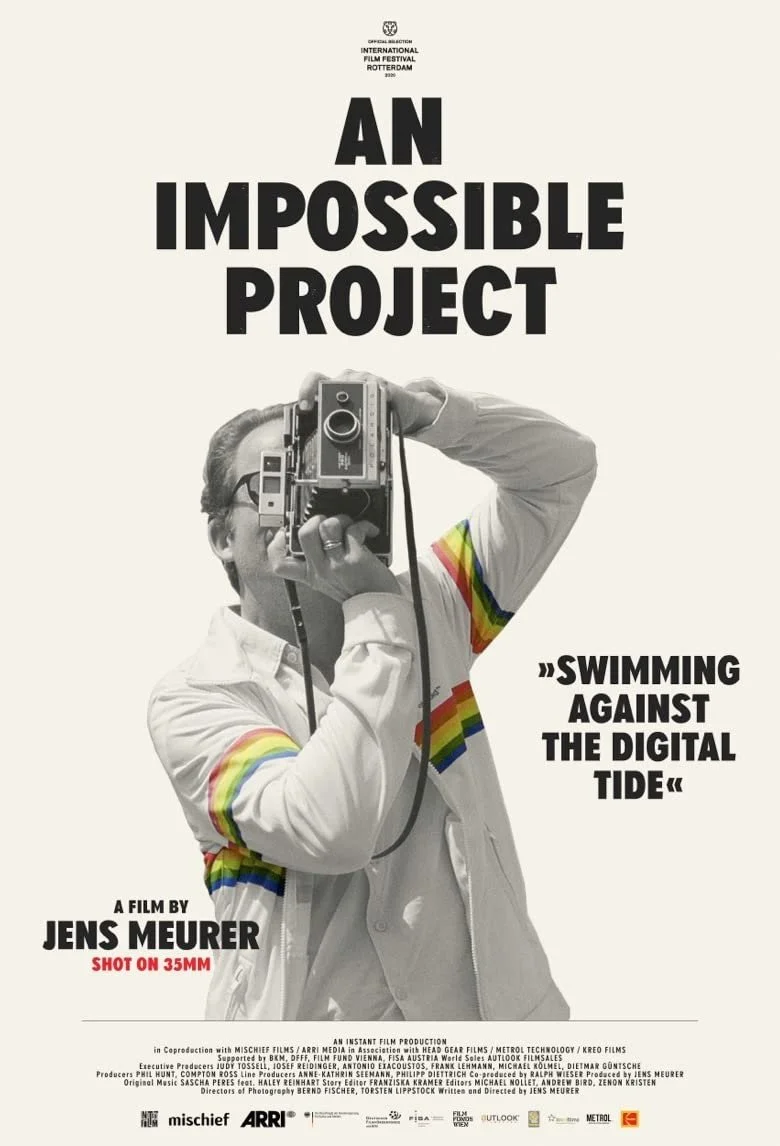
Next up, a film I’ve been meaning to watch for ages. An Impossible Project is a more optimistic film perhaps, although not also without controversy. It charts the story of Dr Florian Kaps, referred to throughout as Doc. He led the effort to save the last Polaroid factory from being decommissioned in the Netherlands and started a company known as Impossible that later would become the Polaroid camera company that we have today. Filmed on 35mm film, the doc looks great and I really enjoyed learning about the early days of this new Polaroid.
The situation we find ourselves in today where tactile analogue things are not the norm is not technology’s fault. The utility of something like the internet, shopping online, instant messaging, video calling, streaming video and music, all of these things are obviously useful and of benefit to us as a species. If human progress is about iteration cycles, and listeners to the show know that I think it is, then speeding up iteration cycles will mostly help I imagine. Don’t hate the player, hate the game. But Doc and others in this film are also correct. It’s about how we choose to use this technology.
“Trust your senses, not everything is about zero and one.”
Dr Florian Kaps aka Doc
As an idealistic person, my main take away from the film was that idealism can and should take us a long way, but sometimes being a charismatic leader isn’t enough. Sometimes, you need to grow up and be a real business if you’re going to survive and preserve something.