
Negative Thoughts
This was originally published in my Prime Lenses Newsletter. You can sign-up for a weekly update to your inbox here.
This year I’ve dabbled again in the world of 35mm film. I blame my friend Jess for this, however there are others whispering in my internet ear about the joys of film, and predictably I put up about as much resistance as a wet paper bag. Like all addicting behaviour it started innocently enough. You start to listen to a film photography podcast that nearly has 100 episodes to its name. Then you decide to run a roll of film through a camera you already have. What harm can it do? It’s just a roll …
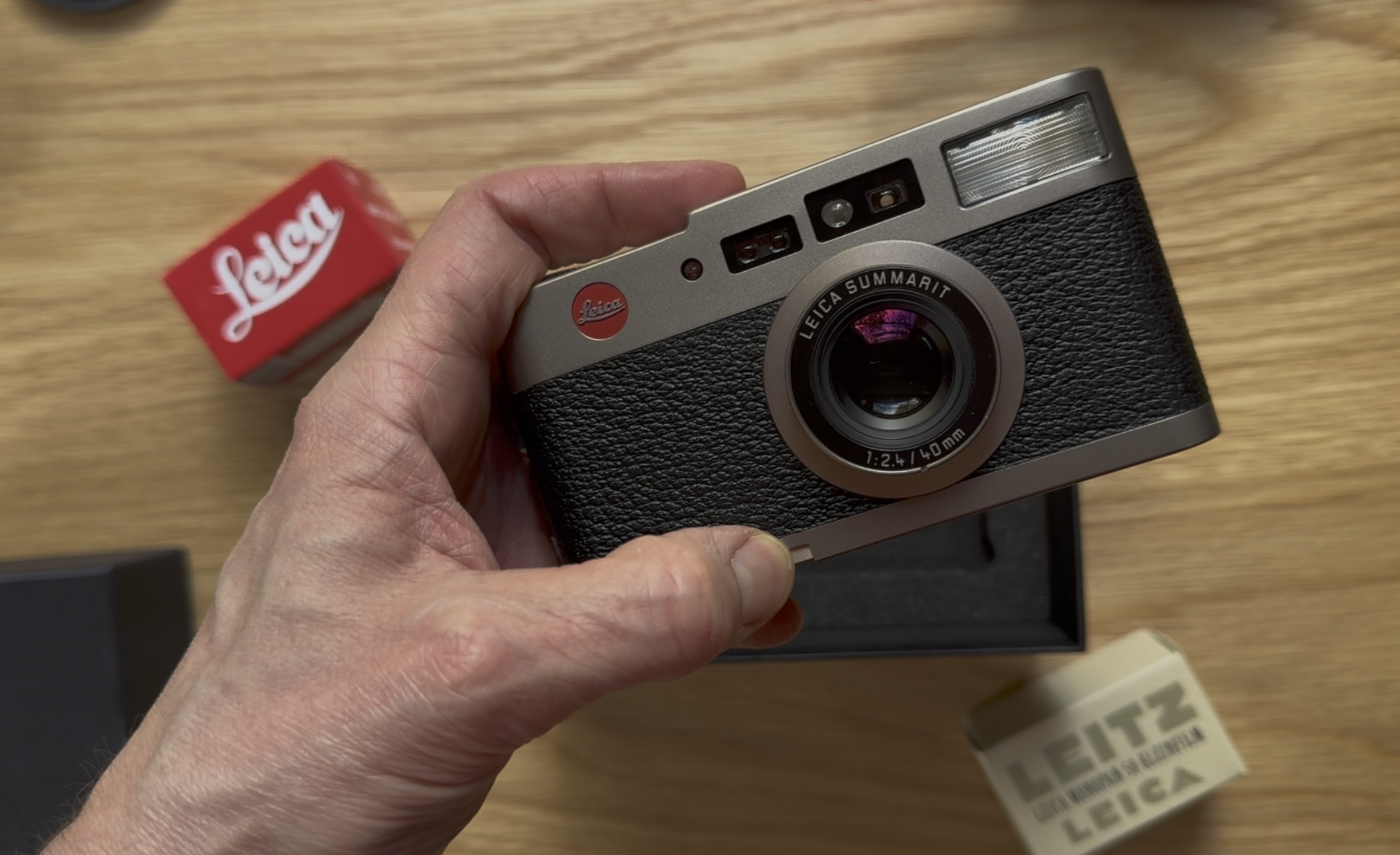
The Leica CM 35mm camera
Then, later in the year, when you’re least expecting it, a rare film camera, unloved by the community, comes up for sale. It’s made of Titanium and before you know it, BAM, you’ve bought it “for the plot” and now you’re working out how much cheaper it’ll be to develop your own film at home.
So, that is where I find myself. I am almost ready to embark on the process of processing my own film, perhaps even using coffee, but before I could do that, I needed to also make sure I could scan my own negatives.
Now, there are a million ways to do this, and I opted to use my camera as it has a very high resolution sensor and excellent lenses, so I grabbed a Leica close focus adapter and tinkered.
The JJC kit I bought on a Black Friday deal comes with an LED light up panel large enough for a 35mm negative or a slide, and various spacing tubes to reduce light interference from outside. This was my first setup.
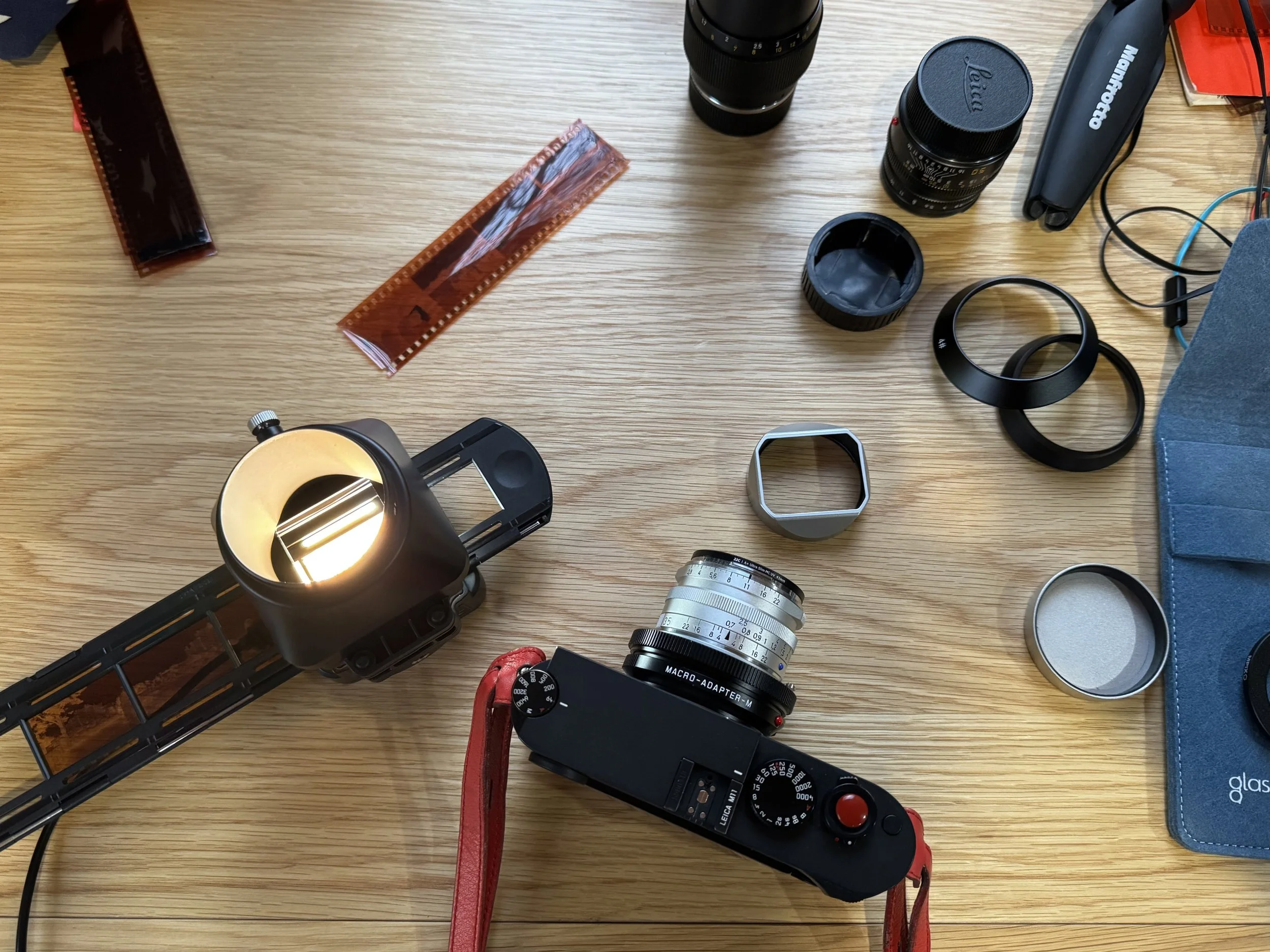
Heading down the rabbit hole

If you enjoy Prime Lenses, you can support the show on Patreon by becoming a member. Thanks so much to everyone who’s already helping me to bring you the show each week!
I have a few lenses. The 35, 50, and 90 were my test ones and the bottom line was that with the close focus adapter, the 35 looked like it was going to provide the fullest frame. I’d hoped that the 90 would work as that lens is also an Apochromatic lens or APO, meaning I would potentially get the cleanest image but it needed to be further away and didn’t fill the frame.
Having said that, I’m home digitising a negative probably shot by me, fairly poorly onto grainy black and white film, so to what extent that would actually matter is probably debatable. The 50 was good, but put the slide in the centre of the frame with a lot of space around it, meaning that instead of capturing a 60MP image, I was capturing something far smaller in the centre of the frame. The high resolution of the sensor meant that there was still plenty of detail and it was big enough and good enough compared to the scans I’d been getting up to now from labs, but not the full 60MP I was hoping for. A different camera system with closer focus would probably have been a mores sensible choice.
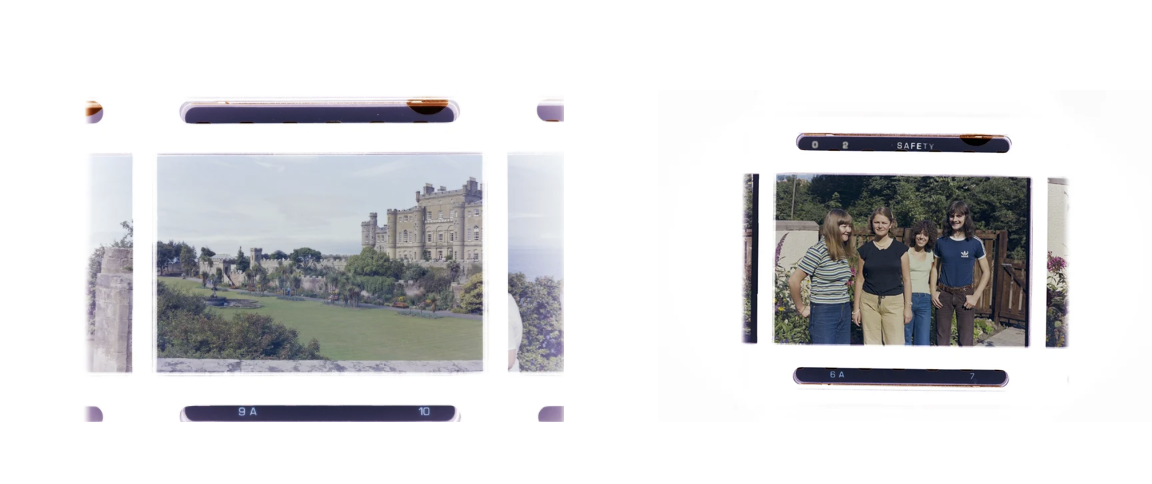
2 negatives uncropped. Left - 35mm, right - 50mm
But, you know me. My pesky rule is there to prevent me from getting too many cameras and so, I decided to try out my 28mm just in case. It’s a peculiar thing with the close focus adapter but as I understand it, as you go wider, you need to be physically closer and this setup meant I couldn’t use the tubes anymore. Wide lenses have a limit, I think 28mm is about as wide as you can go before the focus point effectively moves behind the sensor, meaning you can’t get it in focus.
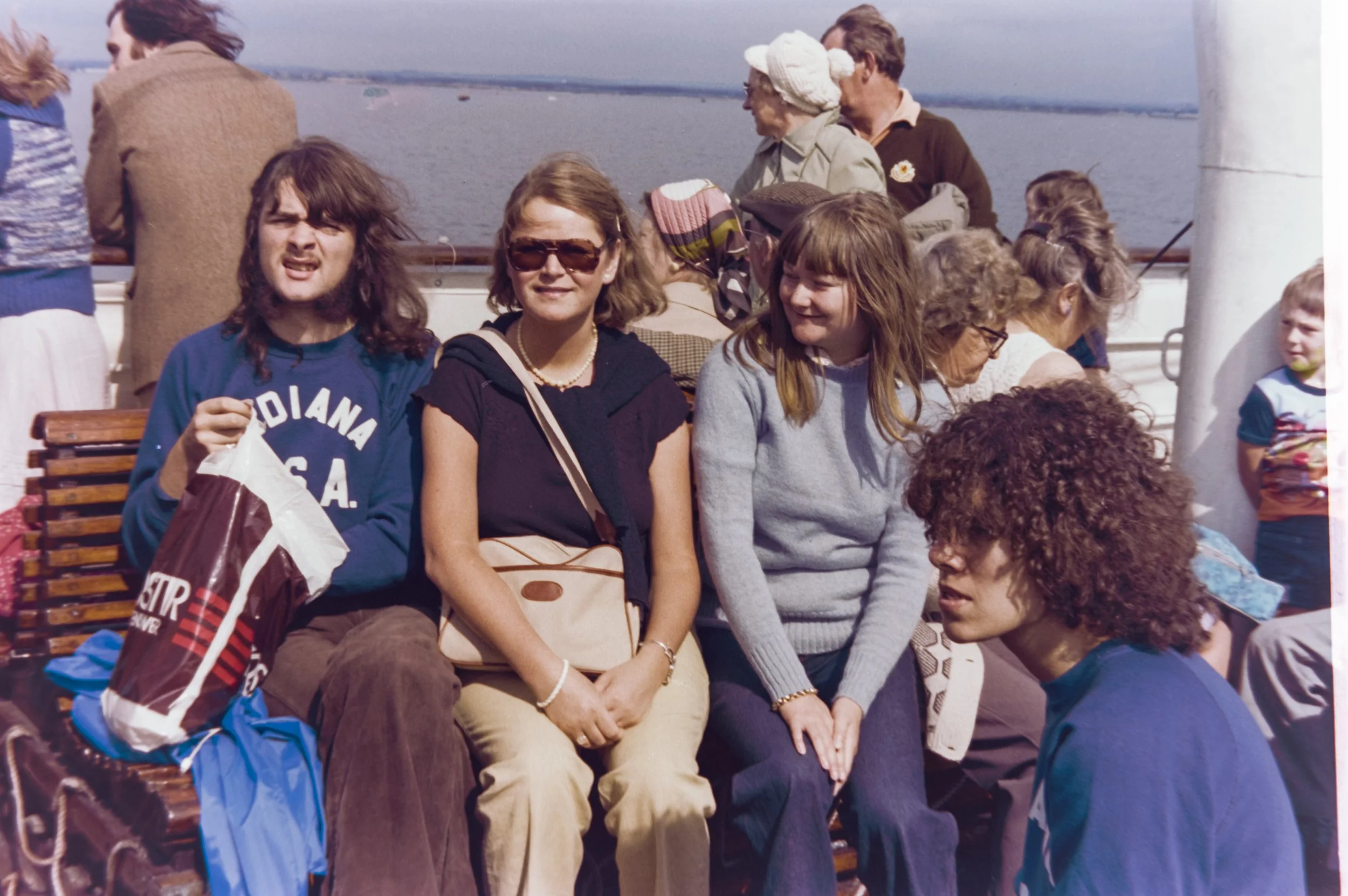
Captured using a 28mm lens
Dear reader, I’m here to tell you that the 28 was perfect! That’s the image I captured, no crop needed at all! It fills the frame.
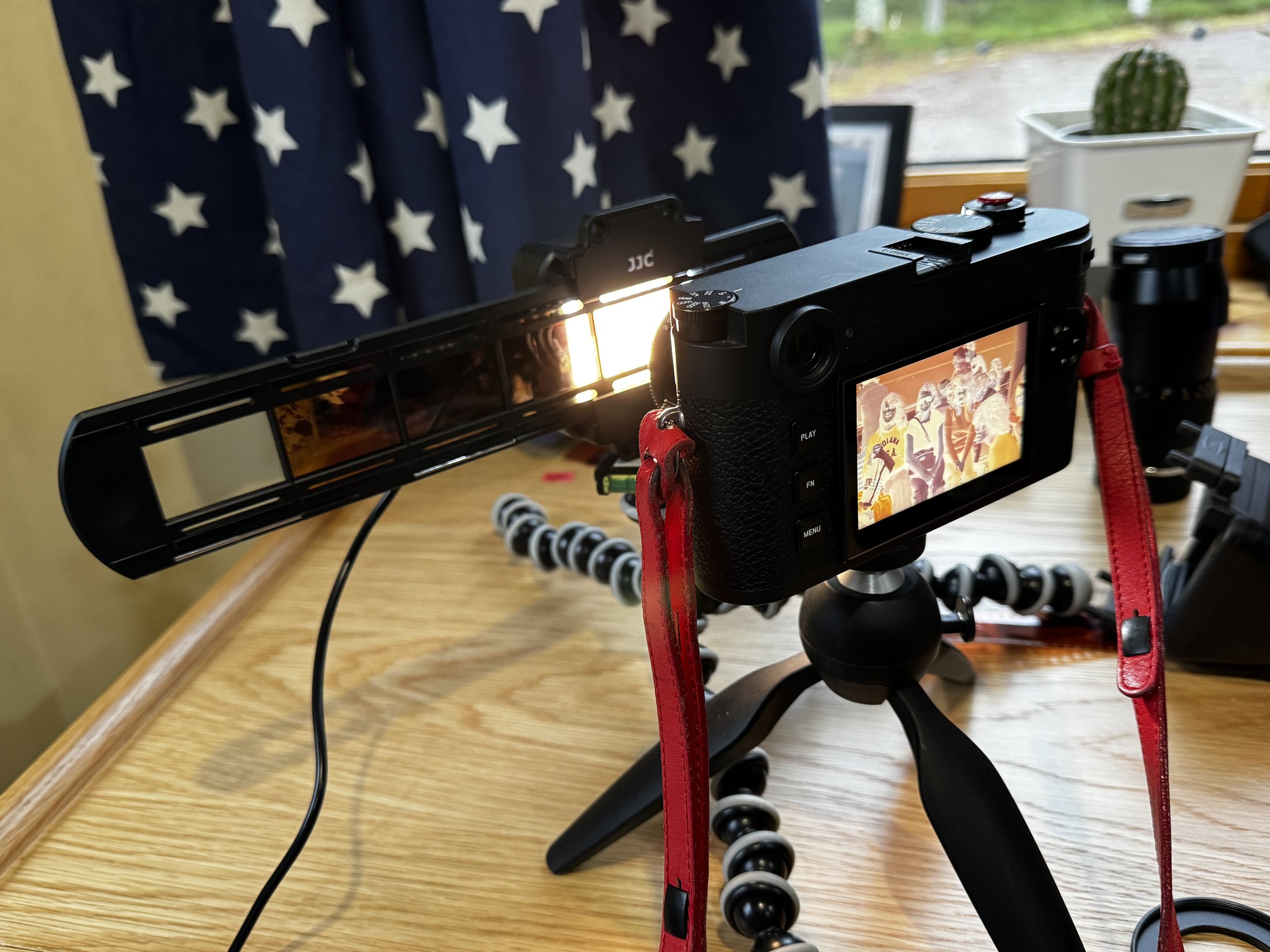
The working proof of concept setup
For now, a couple of hours of tinkering over a couple of days and we have a solid proof of concept using a couple of small tripods. The next step is to use a dual mount adapter on a bigger tripod to set up the camera at the appropriate distance from the negative in a more sturdy fashion so I can easily take it down and put it back up again. The light box in this setup is very bright and USB powered and worked well when testing with some of my Dad’s negatives, however this brought 2 challenges.
1. it can be hard to use someone else’s 40 year old negatives to test your scanning setup as whatever Dad was using wasn’t always focused very well, and 2. the negatives have been stored badly so correcting the colour between batches of images is proving to be a right pain as they can vary wildly.
But this is what we do when we create. We do, we refine and we do again. I’ll report back once the setup and process are stable.
Until next week, Nanu Nanu