
Tim Paton of Irys Photos on life as a commercial photographer
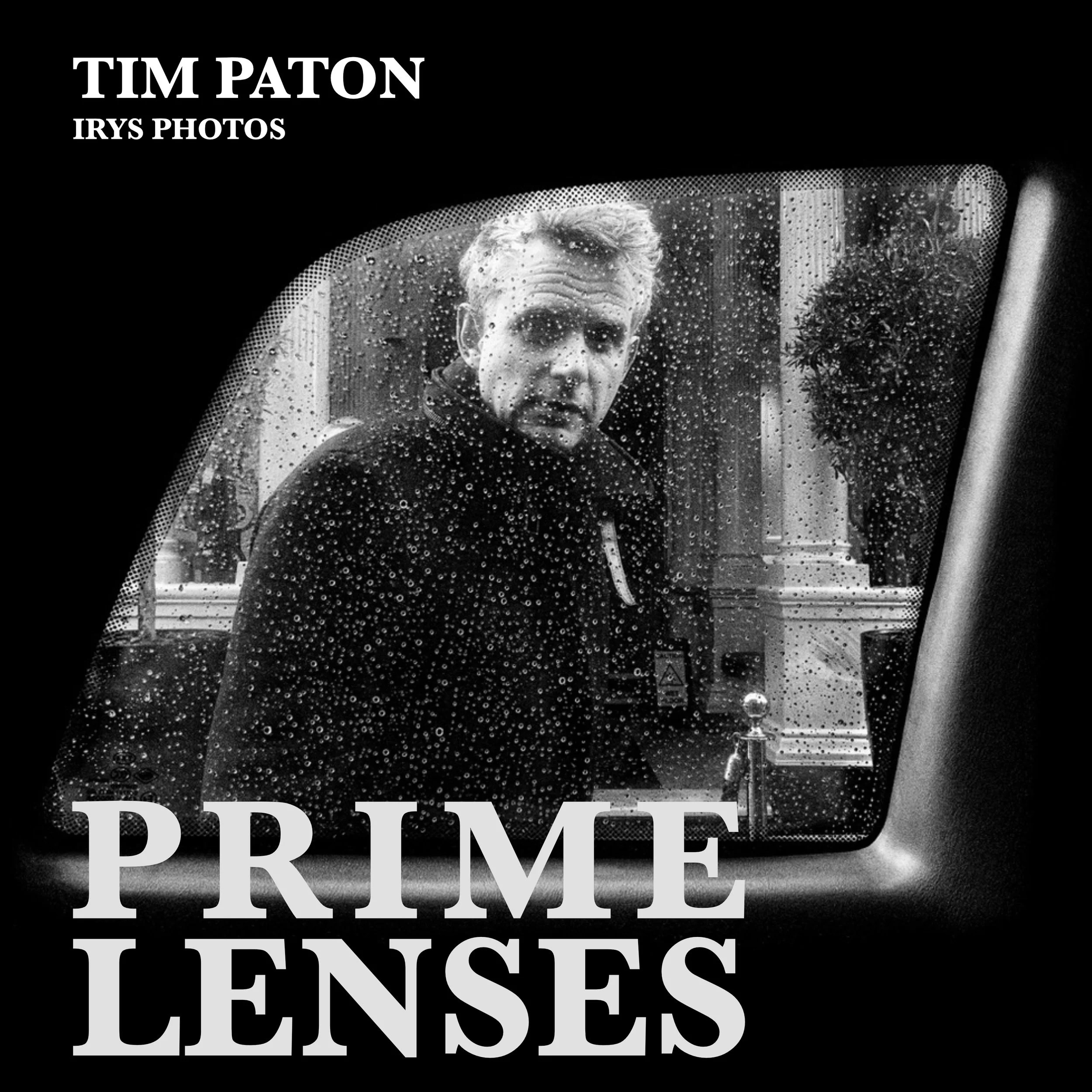


Tim Paton is Irys Photos Global Partnerships Manager, and has worked in and around photos a photography his entire career. We spoke recently and he offered to come onto the show to talk about the commercial realities of photography today. This is a great conversation for anyone who wants to make photography their job.
Sign up to the Prime Lenses newsletter for a mid-week treat.
Support the show on Patreon.
Episode Transcript:
Iain:
How are you, sir?
Tim Paton:
Very good, thank you. Thanks for inviting me on.
Iain:
Oh, it's a pleasure. One of the things that's nice about the show is I get to talk to lots of photographers and lots of people who listen love photography. But I think one of the things we've never touched on on the show, and that's why I was so interested and took your arm off when you suggested talking about it, is I don't think anyone really has a good sense of how to break out stroke, turn this into your real gig. I think we're at an inflection point right now as well, where I think even people like Alan, who were recently on, you know, you work with Alan all the time, people like Alan Schaller coming up in the last 10 years, even, I think the landscape is quite different now. And I think if you want to, if you want to make work, if you want it to, if you want to turn it into a commercial proposition, I think actually the, the, how you do that is probably harder in many ways than it's ever been because you can, the tools for distribution have never been more accessible, but that just means that there's so much noise. How do you, cause you've been doing this a little while.
Tim Paton:
Well, so just to give you some background, I, I had my own agency in London for 18 years. Uh, that's a commercial photo agency. So I've been, I've basically been, I was a photographer for 10 years before I became an agent, and I got to about 30, and then I had that for 20 years, and then that closed, and then I joined Magnum Photos for eight years as commercial assignments manager. So I've basically been hawking photographers around, trying to get commercial work all my working life, basically. So it has changed dramatically. I mean, when I first started as an agent, just to give you some context, The only way I had of showing a photo to anyone was to physically go in and take it in as a print or send it in the post as a print. You know, we didn't have email. We didn't have mobile phones. We didn't have it was the year, the days of the portfolio where you put a portfolio together and you biked it around town on a career. And, you know, there was some good and bad things about it. I mean, the good thing about that was that most ad agencies only really knew about 30 or 40 photographers in London. and that's all they knew because they had no way of seeing a young photographer from Argentina's work unless he sent it to them on a courier yeah it was literally if you think about it there was no you know unless he took a photo of an exhibition and even then where did he post the photo so it was good for a lot of photographers in London because that you know they they were like you know and our agency had a job and there was 30 people they could call and and that was great it wasn't so great if you were a young photographer from Argentina or wherever you know around the world and you're trying to break so the whole change the digital world has been really good and then also problematical in its own way but i think overall it's been it's been good and in terms of levering the paying field giving opportunities for people um you know you don't have to live in one of the main cities and to get pick up commercial work so it's it's you know and then we had the whole photographers changing from film to digital and all of that painful process and then being scared scared about CGI and now everyone's terrified with AI you know so there's been lots of sort of bumps in the road and lots of difficult things to negotiate do you think every
Iain:
one of those things along the way because it seems to me that each one of those things although turbulent and upends everything at the other side generally has made things easier and given people
Tim Paton:
more tools that they can use does that i think on the whole yes but what photographers and creative people have to understand is that you know their career is not going to be linear it's not going to be in one straight line you know it's if they chose if you choose this as a career then you you have to understand that you're going to be it's going to be one chaotic adventure followed by another chaotic adventure followed by three months of nothing followed by and you just have to get your head around that because it's not there's just you know you can plan everything you know you can plan everything the best you can possibly plan you know you can you can be up for five jobs in two weeks and none of them happen yeah sorry and and the reason why none of them happen but there's nothing necessarily to do with you or what your budget is. I've been in ad agencies when they've chosen photographers. I remember there was a very, about 15 years ago, there was a very, I was sitting in a meeting and the creative director came up to this art director and put his head around the door and said, you've got to choose the photographer for this shoot. And the art director, who was probably about 10 years younger than me at the time, wandered up to this table where they had all the poor photos laid out and he went oh god bloody hell oh god oh I'm gonna that one and that one that he pointed at it just earned 100 grand yeah and the other five that were on the table didn't but there was no you know it occurred to me there wasn't really much rhyme or reason for it i mean all of those five photographers could have done a very good job so you know if you're trying to run a business you can't you can't equate for things like that so you just have to get your head around that it's going going to be it's going to be difficult but i think overall uh if you look at the amount of people who love photography and are using photography in their daily lives i mean that's a good thing and it's it's it's grown exponentially since the elite 30 photographers in the island and used to do all the work there's an entrepreneurial element that's required i think was always there
Iain:
but i think really now it's funny last week i went into my son's school and they were doing they're doing a thing about jobs right they're all 11 and they're starting to torment them with the world of work which i think is cruel and unusual but fine but i went in and they went you know one of the questions from the kids we recorded a podcast so i could show them what I'm doing and they went well how did you get your job and i was like well i actually made my job and i think that's another part of this is that yeah the the older sort of the old world idea of I'm gonna clerk kent turn up with a portfolio or peter parker this thing and then they're gonna you're brilliant, you're hired. I'm not sure, A, that that ever existed, but it definitely doesn't matter.
Tim Paton:
I think that's happened like twice. Yeah. I mean, the reason why photographers get hard and don't get hard, I wish I knew that answer. I mean, I sort of have a feeling of what, if a photographer is doing something wrong or the work doesn't look right. But the ultimate decision of the client, whether they book them or not, is not really in your hands. I mean, all you can do is make sure that you're in the ballpark make sure you're being asked to quote make sure that your work is good enough make sure you're taking great pictures and and and you're generally sort of nice and easy to deal with i mean it's it's you know there's a there's you can juggle around your website and make you know there's lots of things you can do on a daily basis but yes i mean ultimately and you're right a lot of the photographers have made niches for themselves they've made you know a lot of the successful photographers you see even you know these sort of young nature photographers you see on Instagram with 500 000 followers you know they've worked hard at it you know they've been out every day taking pictures and they've made it they've made it possible for themselves unfortunately a lot of people see photography as a an easy an easy thing to do you know and it's really not not if you're trying to make money out of it you know i think if you just want to do it for fun then then that's great but if you want to make a living and pay your rent um it it's a really really really difficult thing to get right and it takes it takes you know most successful photographers i know are late 30s early 40s so it takes a good
Iain:
10 or 15 years to get it right yeah well you've got to find your thing as well like when i think about people like alan and i think about people like Phil Penman Minxie Whyte who was a guest on the show not long ago started off in in like showbiz stuff and makeup and things and like
Tim Paton:
there came a point where rs ambassador she's great yeah she's yeah amazing person but but one of those
Iain:
people who almost out of i love her story because when she was on she was like almost out of frustration she just picked up the camera she was like just give it here like you just i know I'm
Tim Paton:
gonna do this but then you also get this thing where you know you're trucking along for five or six years doing your style of photography. And then suddenly the zeitgeist changed and you're not in fashion anymore. And so it's like musicians who, you know, first album really easy, you know, because they spent 10 years writing it while they were at school and coming out of school. And then the second album, okay. Third album, they suddenly find they're not relevant anymore and they have to change. And they have to adapt their creative, how they do things. And it's really difficult to maintain it into your 40s and 50s as a photographer. It's the same way it is as you're a book writer, journalist, musician, all those crafts. It's a hard one to continue being relevant.
Iain:
Yeah. How do you adopt that? Because the thing you hear from people who've got lots of free highlights, as I like to say, and they're like, oh, just be yourself. just be but there is like you say a commercial reality that comes into effect as well where you sometimes can't just be yourself sometimes you have to move like maybe shooting film is not the thing anymore or maybe you know like the practical realities
Tim Paton:
it's a really interesting balance that because I prefer it when I'm meeting a photographer I prefer to look at their personal work as opposed to their commercial work because I can understand a lot more from their personal work because if you think about it commercial work it's not really their idea it's nothing to do with someone's come up with the idea and said photograph that and now they have to interpret that idea and make it as good a picture as they possibly can and that's a skill in itself and deliver it on time and all that but ultimately it's not i much prefer looking at personal projects and personal projects are the things where you can be yourself and so i think it's important to be yourself with some sort of work but then you still have to make sure that you are commissionable you know you can't you can't just take pictures of trees i feel personally attacked with that one no but and expect to get a you know to get to get a job for Nike i mean it's just it it just you know the pictures of trees might be beautiful and you've you know used every piece of your creative imagination and soul to make the pictures of trees and I'm sure you could probably sell some prints but you're not if you send that into Nike you're not going to get a FIFA world cup campaign you're just not so you have to understand where you fit and where you sit and what kind of work you want and and how you're gonna and it's quite hard sometimes for photographers to think about that because they're so you know engrossed in their work and so i do a lot of calls with photographers on a regular basis and uh i just point things out it's like why is that picture that why is that picture on your website when it's completely different to everything else you do and And it's like, oh, it's because I've, you know, I really love that picture. And it was, you know, there's a personal story behind it. But sometimes you just got to be ruthless and shoot for a style or for a client some of the work that you do.
Iain:
Yeah. Well, especially in a world where you're not going to necessarily, for that first pass, get to sit down with people. Yesterday, I recorded a midweek one with Justin Sorenson, who's a New York photographer. And he photographs athletes predominantly. And I love this light loads of motion to his photos. I really love the stuff that he shoots, but he did a personal project in a gap that he had in his schedule last year. And I think stuff like that's really important to talk about because actually that's where you can get some reps in, isn't it? On something maybe new or because he said it influenced his, his commercial work that came afterwards.
Tim Paton:
Well, I, you know, I've, I've known a lot of photographers who've been commissioned on the back of a personal project. I mean, A lot of the people who commission photography want to think they're commissioning artists. They're sitting in their slightly boring ad agency with a slightly boring serial campaign they're trying to figure out. They want to bring an artist in and try and create award-winning work. So it's important to do these personal works because then people think, understand that you're not just a commercial photography machine. you know um what tends to happen though is you you get commissioned by this ad agency and for a style that you do and then that style gets watered down and watered down and eventually the ad campaign looks nothing like the style that you normally do but you you take the money and the idea of commercial work is you you do it you get paid a lot of money and then you can go off and do your private personal projects it pays for the private personal projects that's the whole point of it is that it it pays for the indulgence of going to somewhere for two months to photograph document something um you know and and it but in the meantime a lot of the Magnum photographers used to get that quite right they they used to have quite big commercial projects and then they used to go off and disappear for six months and do a book yeah yeah one for them one for me it kind of worked quite well you know people like Paolo Pellegrin and Alex Majoli and they they they used to get a lot of sort of commissions from galleries and then go and do two weeks with Nike and whatever you know so if you you know creating a situation like that is again it's not easy and that's the that's the sort of holy grail of being a photographer to do that it reminds me of a thing
Iain:
I heard once about like being prepared which was related to film and acting and stuff but I think it sounds like it applies here which is like basically be on time know the text and have an idea and I think if you can do that on the commercial stuff then like you're saying you'll earn the right to go off and do the other stuff and and for me again another another one of the things that I kind of think is is um I talk too much about on the show but is like we have this dividing line between disciplines of things but I think being a successful creative person is not very different to being a successful athlete for example you need to pick the thing up every day you need to go out and do stuff you need to accept that some days you'll suck some days you'll come back with nothing most days you'll come back with nothing um and that's okay because then you're ready for when there's something either that's because you're a street photographer and you're out on the street every day and you're waiting you know you're doing the josh jackson thing of just walking around the same places over and over again and knowing that someone mops that floor at 7am on a tuesday or you know whatever it is or because when you're on a shoot you can apply what you've learned but you need those reps in i mean i i really like photographers who who have that kind
Tim Paton:
of attitude i mean a lot of the street photographers i work with you know they're out every day alan's out every day taking pictures and it's kind of what what feeds them in a way i I've looked after photographers there was a guy called Alan Clarke years ago and he came to see me and he was literally down to his last 50 quid or something and he had nowhere to live and he was still planning shoots for the next day and and that's all he thought about was to taking pictures and you know i just kind of knew that he had he was going to be successful i mean his pictures are great but he was just that's all he cared about and it sounds very selfish and it sounds for anything but you have to be incredibly driven it's like any creative you have to be that driven and people i meet who go i took up photography because i wanted to travel around the world you know it doesn't quite sit with me really you know it's sort of it should be the photography first and you should be able to create great pictures in Oxfordshire at the same time you can create great pictures anywhere in the world it and it's it's also not about it's not really about the camera or the technology or the you know it's it's it's about the way you see things to be cliched about it but yeah it's it's But getting commercial work is a skill in itself, which is why, thank God, photographers are not very good at it and I'm an agent and I seem to be better at it. Otherwise, I'd be out of a job. Every photographer is very good at it. But a lot of photographers struggle with that and that's the service that I give them and the service I provide still.
Iain:
So sort of, assuming we don't want to get everyone ringing you up, if someone is interested in taking their work in that way, Maybe they've studied photography and they're going to graduate or they've been shooting for a long time and they want to kind of move in that commercial direction. What would your guidance to someone who wants to do that if they don't know quite where to start?
Tim Paton:
So it would be really edit your work so that you've got a few particular brands in mind. So study the landscape, understand which brands your photography is right for. and then really target them with them, either trying to arrange a meeting or trying to arrange, send a PDF over. I mean, the ghosting these days is biblical at the moment. I mean, it's really hard. I mean, back in the day, I could, you know, go and see an art buyer, an art director, have a coffee with them and a chat and show them the work. But it's really difficult these days. But really consciously think about, you know, if you want to get into sports, you know, try and find a way of shooting an athlete. But when you do shoot the athlete, make sure they have a decent pair of trainers on, or make sure they have the current, you know, make sure everything is right. Because what people forget with a lot of these sports brands is they're basically selling clothing. So, you know, you can take a lovely portrait of an athlete, but if she's wearing her, or he or she's wearing her, track seat that's five years old or something it's not going to it's not going to really work so there's a lot of different elements to and you've got to be very kind of very sort of conscious of all how how the pictures are going to be seen as well as all you know doing your normal everyday personal work or projects or whatever you want to do but if you yeah so create a body of work that you think is going to be right for a series of brands and that's a good exercise in itself even if you don't get any work out of it at least you've sort of started taking some steps down the road of understanding what brands need yeah i i would say almost write yourself the brief right
Iain:
of like what you would be expected to do i i did a thing I've talked about on the show where i went with a moto gp photographer one weekend like 15 years ago and seeing the way i went into it expecting art and things like that and just like you were saying he's got 20 minutes after the race finishes to have two or three really high-quality images that not only show off what the team did, but also have all the sponsors' logos visible. It's no use if it's backlit and you can't see the Lenovo badge. They've paid a lot of money to be on that bike and they want that picture.
Tim Paton:
And that's why they get paid what they get. I mean, because back in the day, when I was shooting for music magazines, we were shooting on film and we could drive the... drive the film into the lab and wait till the next morning and then do an edit and deliver it whereas now it's within 20 minutes at the end of the gig you know so it's a slightly different process but um yeah you know and and that particular photographer you with is is obviously very good at what he or she does and he you know he he's kind of figured that market out knows exactly what everyone wants but it's similarly with advertising jobs you know there's lots of things you learn about very quickly in terms of if you're doing a shot for example it might be that they want to put a logo at the bottom right hand corner and you've got to leave a bit of space or it might be that they want to do a vertical version as well as a horizontal they might want to do a 916 and a 169 and a 45 and a 11 and you've got to understand that the picture you're taking has to accommodate all those different crops so you've got to have the action in the right place and you know it does a lot of things to think about when you're doing a commercial job like that that that you know you can only really learn with experience you can assist people that's a good way of doing it you can know you can you can assist people but it's it's it's it's just a big learning curve I mean I remember when I had my first when I was an agent I had my first ad job I had no idea what to charge I was with a photographer from years ago and the job came in and I asked around and I thought we put it in at 75 grand and that then was just like more money than I'd ever known and ever known a photographer was like there's no way they're going to do that no way they're going to do that and so this shows my age we faxed it in I mean can you remember a fax I don't know if you can remember what fax it was yeah and we went to the pub and then I came we went to the pub this is like four in the afternoon for a couple of pints we were like well that was fun that's not going to happen came back message on my aunt's phone because we didn't have mobile all of a sudden and the guy went yeah that's fine we were like what so it's like it's like walking into a different parallel universe and this is where a young a lot of young photographers are so nervous about charging the right amount of money because they don't you you know a lot of these campaigns you see they've spent 15 grand on the photo shoot and then 500 grand buying the space or digital marketing which is kind of the one way around they should be spending more on the photo shoot and less than but anyway so you have to understand that these brands have a lot of money and they and they want if they want you to do something really creative they need to pay for it but it's a very it's a very crowded market there's a lot of people going for the same jobs and people undercutting a lot now and it's it's not perhaps as easy to kind of gauge what you should charge but i always try and elevate things you know I've done it with the photographers i work with one of the reasons I'm working with them is I'm trying to get them well paid um and make sure that
Iain:
their usage is right and the production is good yeah nobody wants to be a penniless artist like it's it's not it's not how you get great art you know we need to we need people to get paid to do
Tim Paton:
this yeah yeah i agree i agree but sometimes with some photographers you speak to it's not their prime motivation but eventually it becomes a prime motivation you know because and also as soon as people as soon as they get a couple of these jobs and they can earn 50 grand in two weeks or something you know it's it becomes quite interesting then the attitude sort of changes a little bit and they want more of that kind of work. But they're still out there. There's photographers out there getting those kind of things. And I say to all these young photographers, there's no reason why you shouldn't be in the frame for some of these jobs. Just a little bit of tweaking here, shooting some right work, presenting it in the right way. And also just being a really nice person. I mean, I've known some really average photographers who are incredibly successful because they're such nice people. And people just want to go, you know, but just because people want to go on a trip to South Africa with them because there's so much fun and they're just nice to hang around, you know, and they take pictures and the pictures are fine. Everyone's happy and they don't go. But there's a lot of different elements to make you successful. Unfortunately, it's not, like I said, it's not a linear thing that you can map out and plan.
Iain:
No, but I do think that's a lovely kind of note to kind of round out on, I guess, which is that the, you know, you do have to put yourself in the right place. You've got to approach it with the right attitude, go into these things with sort of an open heart and be open to things. That doesn't mean you won't get messed around occasionally and screwed over, but you just sort of log that, move on. And you're solving a problem for people. I think that's the thing you've got to remember is if you can understand what the problem is you're solving, your chances of success greatly increase if you pitch things and position things.
Tim Paton:
the briefs that we used to get were literally stick man drawings right the art director had done this drawing and it was like a car on a hill with a man's down you know and and then it was up to us to find the location you know find the models figure out how we're going to shoot this how to make it beautiful so there's a big the photographer plays a big big role in this you know and and even more now i mean every job we do now the ad agency asks can the photographer just write and how he or she is going to approach this shoot. And so you're basically almost writing the brief for them. I'm doing one on the boat, which I've got to do this afternoon, where I'm more or less writing the shot list. Me and the photographer are writing the shot list for the ad agency. So they're leading on the creative talents of photographers a lot more, perhaps, than they used to. And whether that's because they're inexperienced or whether they're nervous around the client or whether they're or whether they're that's just the way it is now you know i and so it seems to be there's a to get to the point where you're confirmed on the jobs there seems to be quite a lot more hoops you're going to jump through but that's fine if it's if everyone's getting well paid then why not you know you just have to go through those hoops make sure it works from my own
Iain:
time in ad ad land and agency land i was for briefly yeah yeah uh i say briefly it's probably like six seven years but the that sounds to me like agencies going well if i have one really good art director they can probably be across a bunch of things and then they'll probably outsource that thinking because you instead of them being an art director that i would have worked with in maybe 2004 you're kind of more so than ever probably buying their taste and going well yes they're going to be really expensive I'm going to have to put them in somewhere fairly fancy in Hoxton that's going to cost me a load of money so i can't really afford to have more than one so instead they're now going to kind of offload that to the next person down the chain because if that gets charged back to Nike or Aston Martin or however well that's a victimless crime as far as I'm
Tim Paton:
concerned yeah and and it's it's a motivation for the photographer to you know get the job if that's so but it does seem it does i mean there's people i know who are sort of professional pitch writers where you can go to and I've got a pitch for this job and they'll write the pitch because it's quite tough for a lot of photographers to do this because they're very visual photographers they're not really i mean ChatGPT made it a bit easier but that you know they're not really uh some of them are not able to write down or necessarily talk about what they want to do but they're very visible visually literate so it's quite hard sometimes for them to be asked to be you know do the job of the art director but that seems to be the way it's going and it's kind of fine i mean it it it's it's slightly painful but you can get that in the end i think well it's why
Iain:
every agency that we used to know had someone in the place who was like brilliant but fundamentally unsound it was like a little bit prickly but if someone walked in the door and you needed a pitch deck pulling together in 15 minutes they could probably do it had that person but when i was at
Tim Paton:
Magnum that was an interesting interesting scenario because a lot of them wanted to be because documentary wise they weren't getting paid anything now then for editorial um and so a lot of them wanted to move into commercial photography and and they were literally sat me down and said tim so how do i become a commercial photographer and I'm like oh okay and it's really just about the work i mean there was a lot of these photographers were great photographers but they were shooting tough documentary stories you know and it was never going to be they were never going to get commissioned by you know these luxury car brands if if they're shooting wars all the time you know so one of the good examples that we had we had an inquiry in from Range Rover and i sent an email out to all the photographers uh saying if there's anyone got any pictures of cars that i can add to this brief and put them up for the job and one of the photographers sent me a beautiful set of 15 pictures of burnt out cars from Syria and it was just like oh okay i mean they're i mean incredible you know he'd yeah been shot at and to make the pictures great gone to really dangerous places and good for him but it wasn't quite i don't think it was quite what the brand were looking for at that particular point so there's there is that big sort of disconnect sometimes with how people think they're just going to suddenly become a commercial photographer and not and it just I'm saying it just takes a little bit of work, you know. So, yeah, I mean, we could do another podcast on my time at Magnum, I tell you, there's quite a few stories from there.
Iain:
It's reassuring, though, to hear that people in those kind of, in that rarefied air are still, they're good at the thing they're good at. And I think that's the thing is that you have to kind of, if you're going to be good at something, you have to apply yourself to it.
Tim Paton:
One of the really big success stories was, I don't know if you know, Christopher Anderson, who's an amazing photographer. and he when I joined Magnum he was sort of transitioning from being a documentary photographer to a commercial photographer and he decided on his style he decided you know he does this sort of really colorful beautiful work now that's sort of the golden hour and he's an incredible photographer amazing and he was always a brilliant photographer his but he sort of just transitioned from doing difficult subject matter to pictures of actors and models and magazine work and things like that but it was a he made a conscious decision to change his style to fit a commercial genre and and it really worked for him and he was a good enough photographer to pull that off and a super lovely guy and a great photographer but it it's a very difficult thing for people to do it's not not everyone can do it some photographers have a foot both camps you know there's the sort of Paolo Pellegrin and people like that who can go off and shoot a luxury brand story and then go to Syria or Afghanistan or over the next week and shoot something for the New York Times you know and it's very difficult for photographers to do that but that was the interesting thing about Magnum is trying to make all those photographers slightly more commercial and it's actually it was actually quite interesting because we used to do this thing where we used to send we did a lot of work for Nike for this we used to send a photographer to go and photograph an athlete for two days but we sent a journalist with them as well so they had a it was like a piece of editorial that they ran on Nike.com so it was it was just a again slightly looking at it at a different from a different angle uh to create a sort of semi-commercial editorial piece and you They were very good at that and the brand loved that kind of approach. But we had to sort of, me and the team had to sort of consciously think of that approach and go in and sell that.
Iain:
How successful do you think most people would be if they did stuff like that? If someone's sitting here, like, is coming up with ideas for those sorts of things and pitching, do you, again, is it like make a portfolio, try to put together a little pitch document, try and keep it succinct and send it over? Or what would you do with that?
Tim Paton:
I do like the idea of creating a body of work with some text. Even if you're making a book or something, you're going to need the text at some point. And it does give it some context. And people, you know, you can sell it into an editorial or you can sell it into a brand. I do like the idea of having a portfolio with some text. I mean, a lot of photographers think that photography should do all the talking. But I think if you're a documentary photographer, then I think putting some context around. You know, if it's just pictures of beautiful handbags or something, then you don't really need text. But I'm really just talking about sort of a documentary thing. I think it does help the client to understand what you're trying to achieve and what you're trying to do in terms of understanding the personal work. But like I said, if it's just a picture of some shoes, then it doesn't really matter.
Iain:
You might not need as many words.
Tim Paton:
I'm not listening to people who take pictures of shoes. I'm sure it's very hard. But, yeah, there's so many different disciplines. I mean, I've looked after car photographers before, and it's a very different discipline to documentary street photography. And that's what I find so fascinating is that different photographers choose different routes, and there's many routes.
Iain:
Yeah, yeah. That's, I think, probably the kind of reassuring and not so reassuring note to end on, I guess, is that, like, you know, yes, all things are possible. Go and figure it out. But I think it starts with kind of choosing a direction first and then...
Tim Paton:
Yeah. And I think it is important to talk to people in the industry. If you can get meetings. I mean, you know, I do regular chats with photographers. I mean, if people want to get in touch, I'm happy to chat to them. do a little 20 minute portfolio review and have a chat with them um i think it is important to get advice and and not try and it can be very you can feel like you're very much on your on your own as photographer i think it's very important to find some men people are going to mentor you it could be other photographers it could be you assisting someone for a while it could be you know you're working for a magazine and getting paid nothing but the editor of the magazine loves your work and you know you're being mentored a bit by them there's lots of different things but sort of embrace those sort of conversations because you really when you're starting off you can't have enough of them and what will happen is someone would tell you something one day and the next person you speak to would tell you the absolute opposite um but that's fine just because it's just a chaotic crazy career i mean when i look back i have no idea how i made it made it through i mean it's just absolute crazy sometimes. Some of the things, I mean, just unexpected craziness. But that's sort of in a perverse way, you sort of begin to enjoy that.
Iain:
Yeah, I think that's a creative life well lived, you know?
Tim Paton:
I'd like to think so, but yeah. Yeah. Yeah.
Iain:
Oh, brilliant. Well, Tim, thank you so much. And I will, we should get together and talk Magnum stories and things like that at some point in the future. That'd be fantastic.
Tim Paton:
I'm not sure if I'm under an NDA.
Iain:
Okay, maybe not. Maybe it won't happen.
Tim Paton:
No, we'll still have a chat. Really, really nice. Great. Well, lovely to see you.
Iain:
It was a pleasure. Yeah, thanks, man.
Tim Paton:
If people want to get a hold of me, they know where to get a hold of me.
Iain:
Yeah, perfect. Thanks a lot.
Tim Paton:
Speak to you soon. Thanks, mate.
Iain:
Okay.
Tim Paton:
Bye.
More about this show:
A camera is just a tool but spend enough time with photographers and you’ll see them go misty eyed when they talk about their first camera or a small fast prime that they had in their youth. Prime Lenses is a series of interviews with photographers talking about their photography by way of three lenses that mean a lot to them. These can be interchangeable, attached to a camera, integrated into a gadget, I’m interested in the sometimes complex relationship we have with the tools we choose, why they can mean so much and how they make us feel.