
In the darkroom
Inverness is about an hour drive away from where I live and I drove there yesterday for a day I’d been looking forward to for some time. I’ve joined the Inverness Darkroom, a local charity that runs Scotland’s largest fully stocked darkroom, complete with everything you’d need to develop and print analogue images.
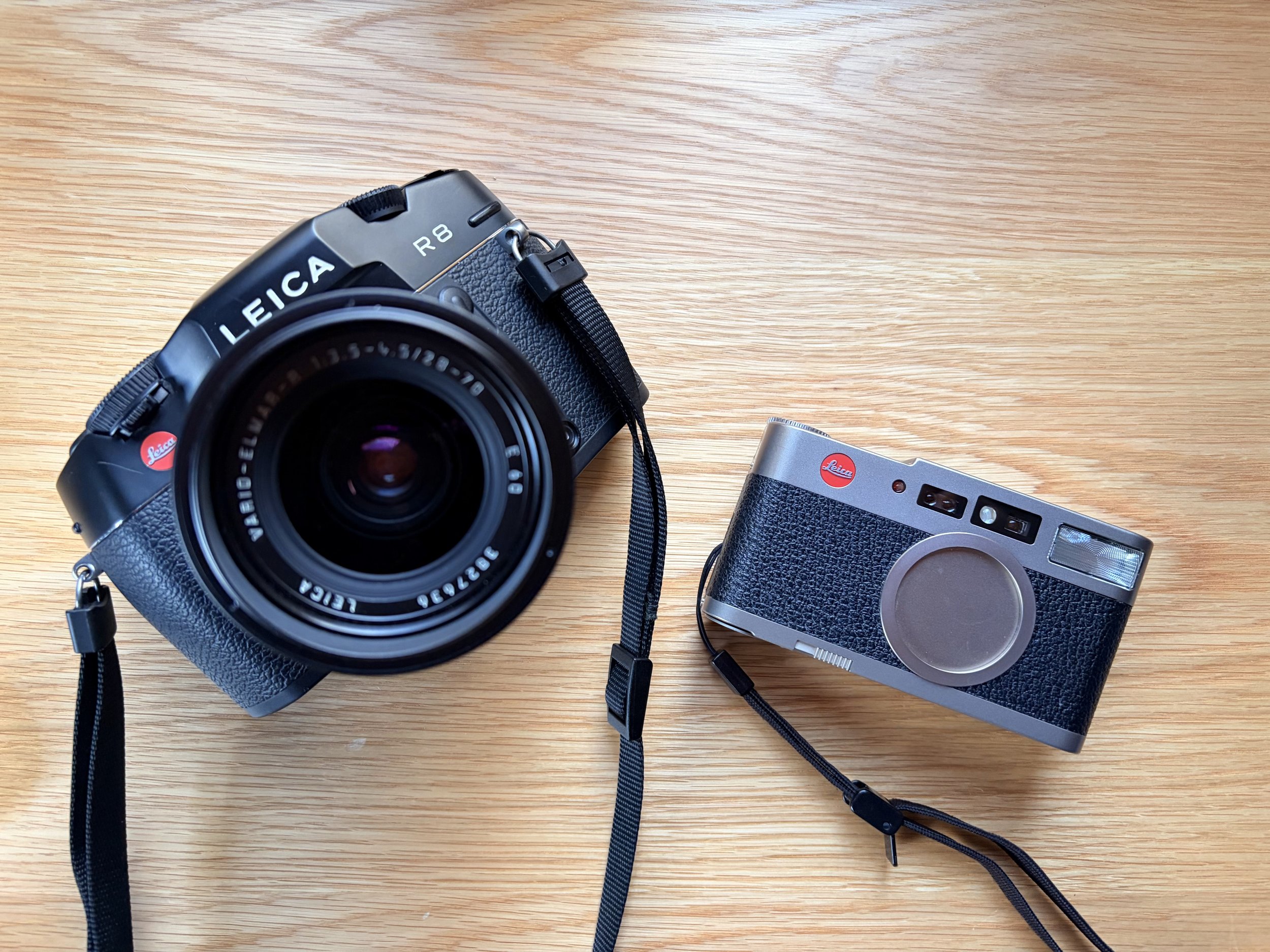
In my bag as I trundled north were three rolls of film. Two from the Leica CM that I allowed myself to buy at the end of last year for shooting film, and another from a Leica R8 loaned to me by friend and future guest Marcus Lyon. All three rolls were the same black and white ADOX 50 speed film stock and my objective was battle royale!
You see, in order to preserve at least the spirit of my one camera rule, these two were being pitted against each other. My aim being to keep the one that I like the most, and I’ve decided that this is mostly going to be decided on image quality, as both are great handling and have a red dot, which of course makes the pictures better ;)
As long as I stick to the plan, that’ll leave me with one camera for 35mm film and one for digital.
Two cameras enter, one camera leaves.
Welcome to Thunderdome!
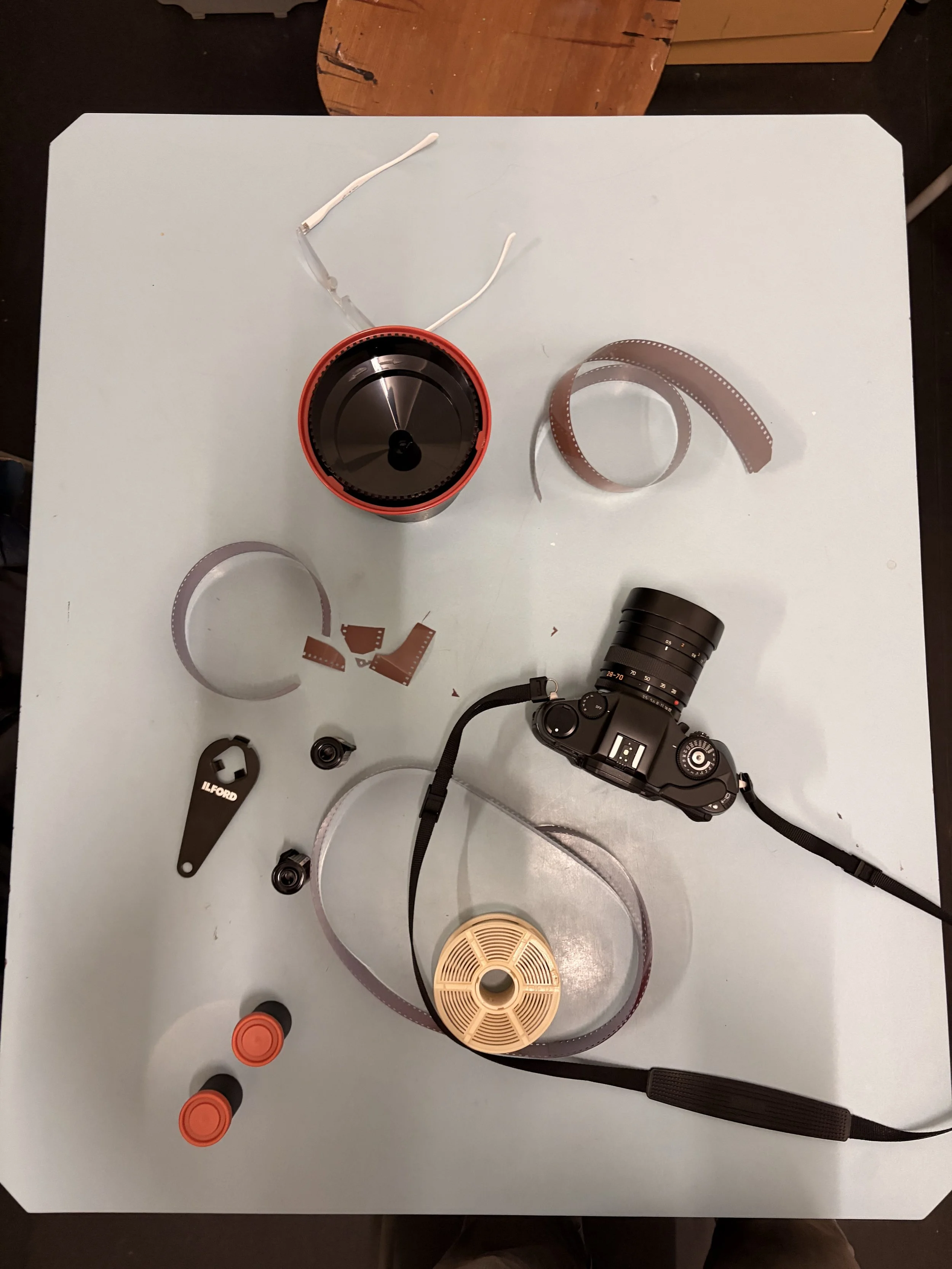
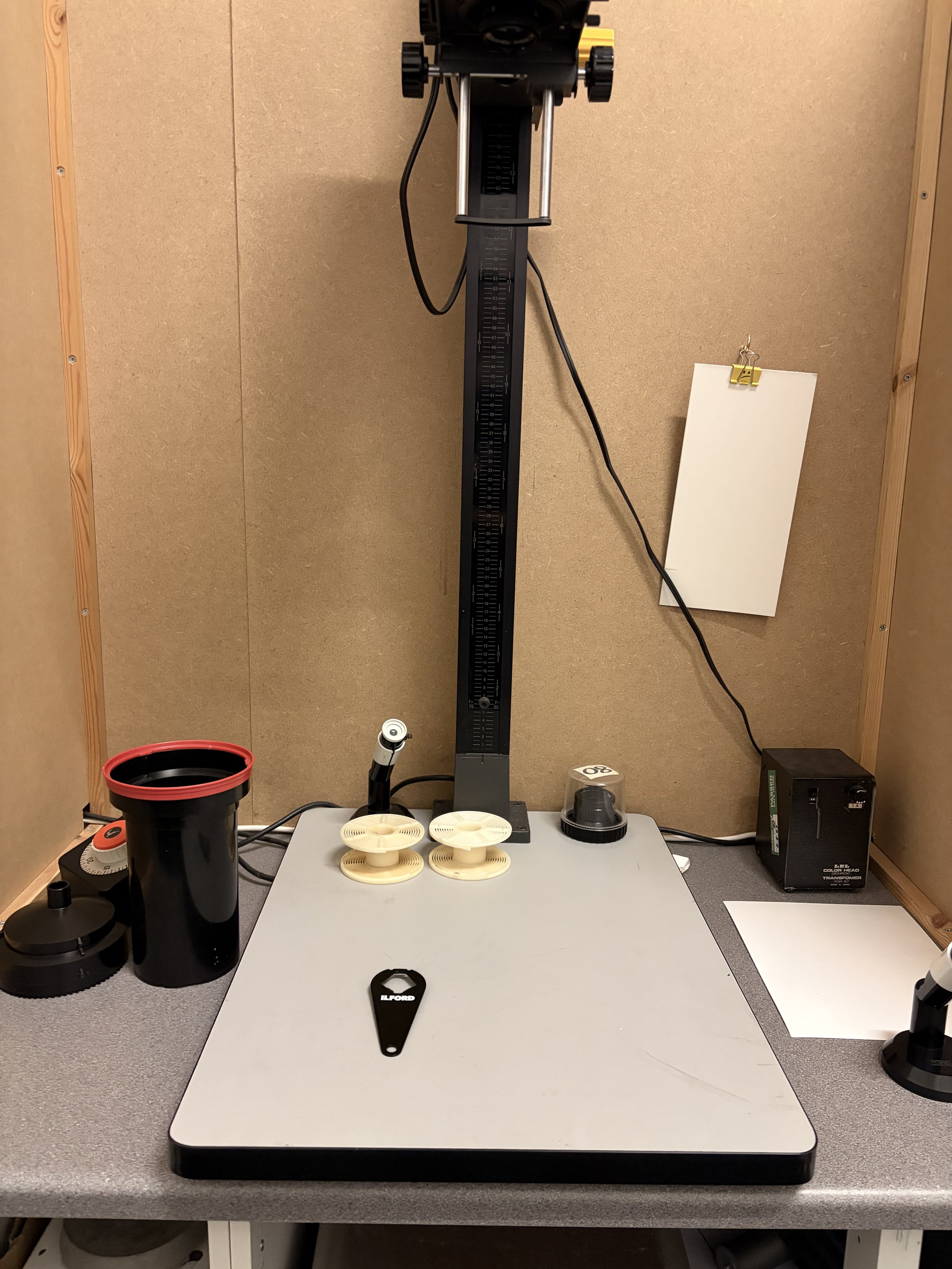
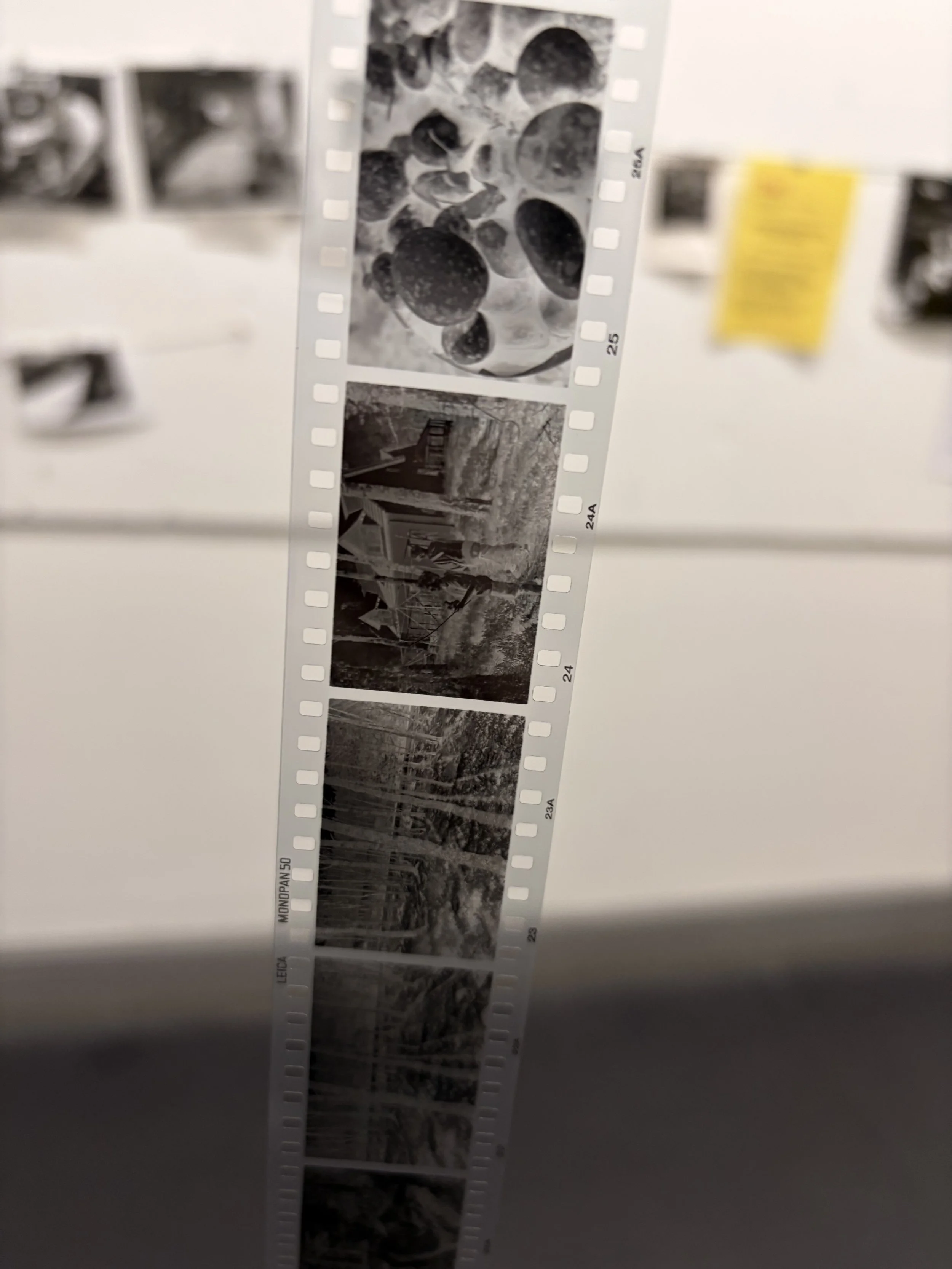
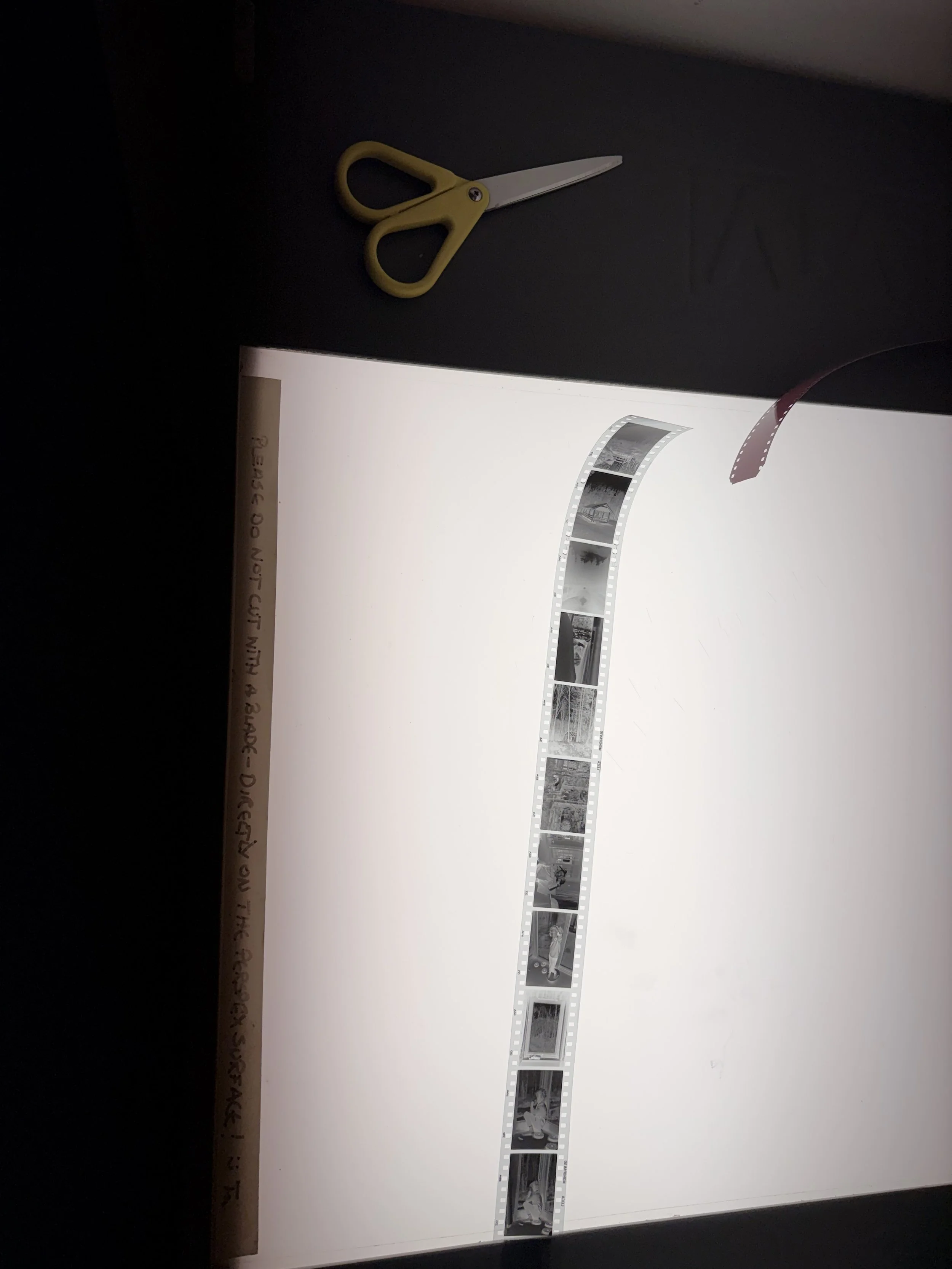
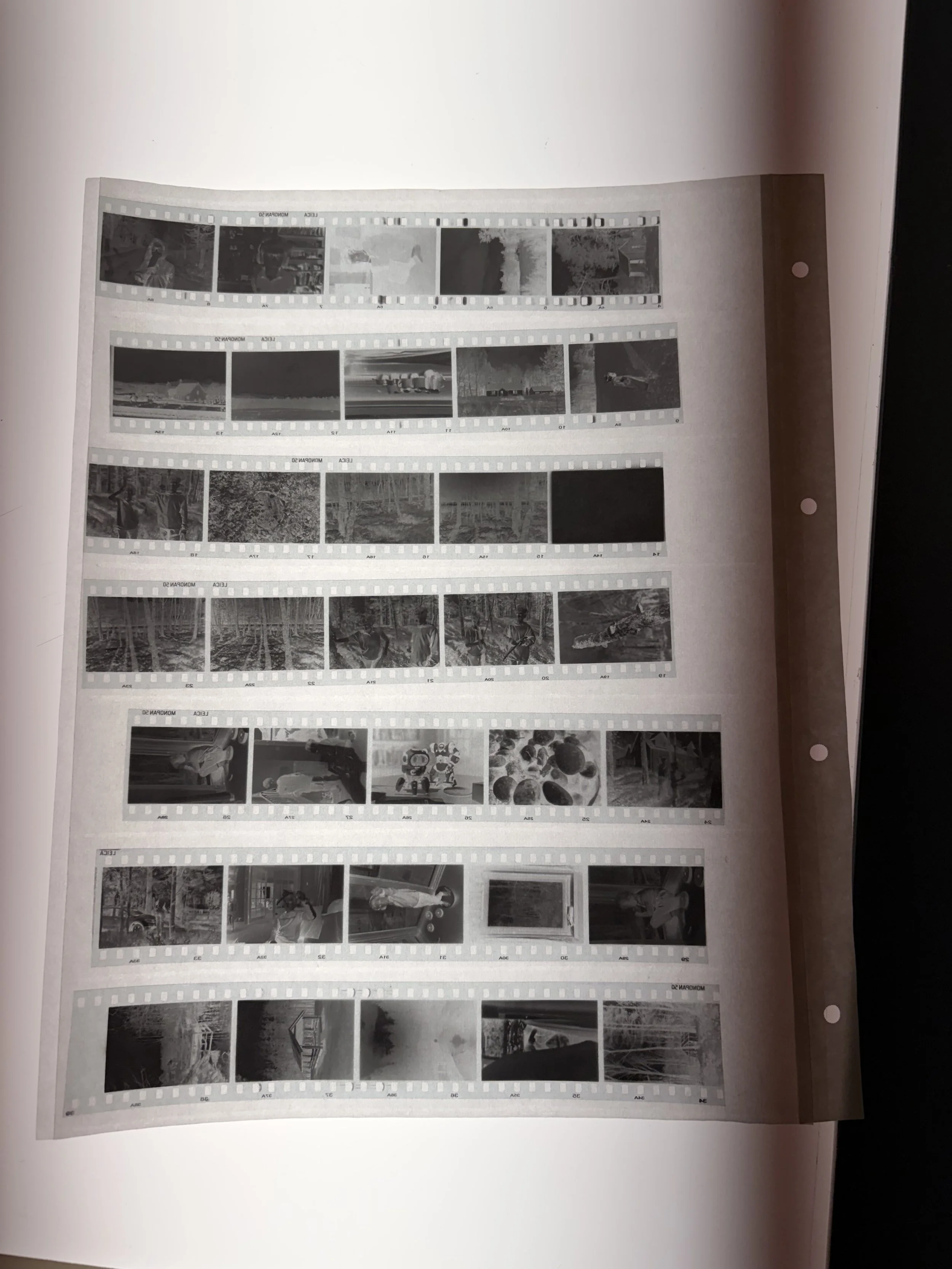
To ensure I didn’t mess up, Matt who runs the darkroom was with me to walk me through developing my film rolls, showing me where everything was kept and checking I could execute all the steps, especially the ones carried out in the dark.
There are plenty of videos and explainers on how to develop your own film so I don’t need to go over that but I will share the app he used to help us stay on track with each step in the process.
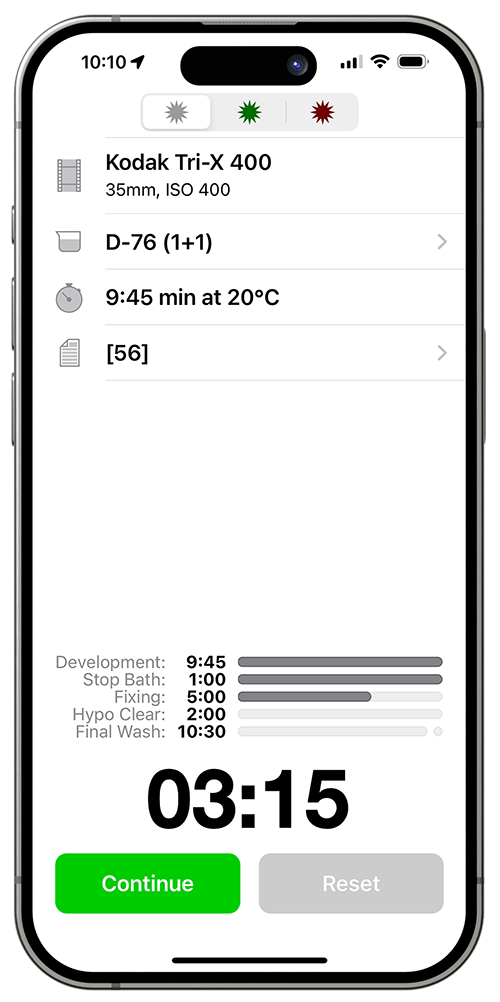
There’s an app for that!
The brilliantly named Massive Dev Chart Timer was really helpful. Simply select the process you’re using and it lists the steps, timing you as you go.
It reminded me a lot of workout timer apps like Seconds if you’ve ever used those.

If you’re enjoying the show and newsletter, you can get a little more over on Patreon. Thanks to everyone who’s already supporting the show.
Developing and rinsing finished we took my negatives out of the drying cupboard, and there was immediately an indicator of a potential winner. The R8 frames were clearly really sharp and clean. I couldn’t cut the negatives and head home to scan them fast enough.
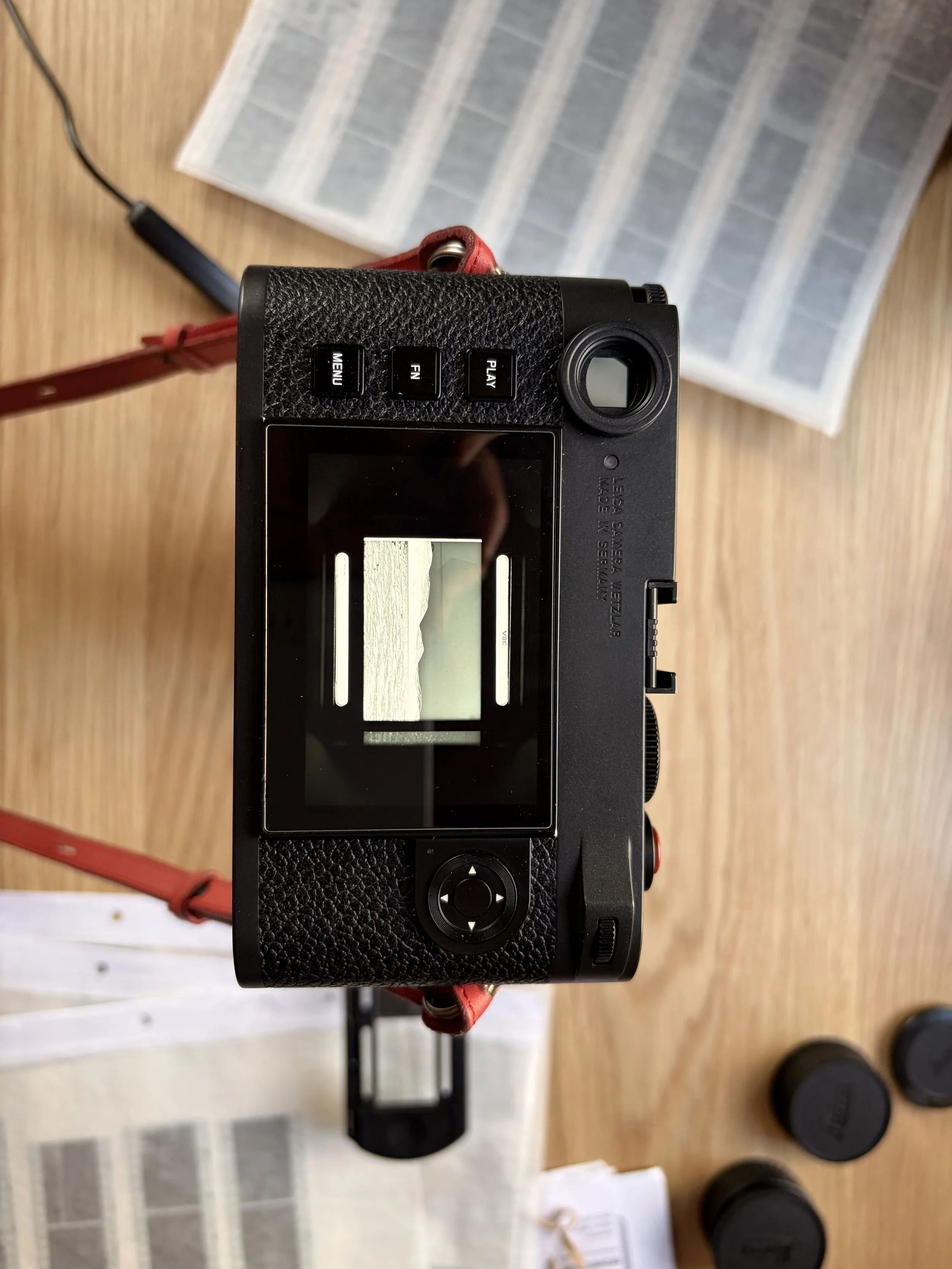
Three 36 exposure rolls to be captured!
Using my M11 with a close focus adapter to capture the images I could see a difference in the negatives straight away and while the CM has a great lens for a point and shoot compact, the R8 is strikingly better.
It’s an unfair comparison really, they weren’t designed to be in the same category as one another, but I value a modern sharper rendering in my images on the grounds that you can always take away sharpness with filters or in post processing, but you can’t add it, and the R8 is going to allow me to get that not to mention I can see what I’m getting at the point of capture far more accurately than with a point and shoot. This experiment has made me realise that if I want a sharp rendering point and shoot, I’ve owned the definitive modern answer, and that’s the Ricoh GRIII.
If you’re in the market for a Leica CM, let me know, or more likely, let Ffordes know as that’s where mine’s headed. I’ve made a sample gallery of R8 shots. They are the most dull test shots but you’ll get the idea.