
Leica R9 + DMR
I’m packing for a trip. Overnight, nothing fancy so I can fit everything into a backpack. Laptop, camera, toiletries, maybe even a games console or book to entertain me on the plane. And yet, with less than 10 hours to go before my 4am alarm, I am still staring at my bag.
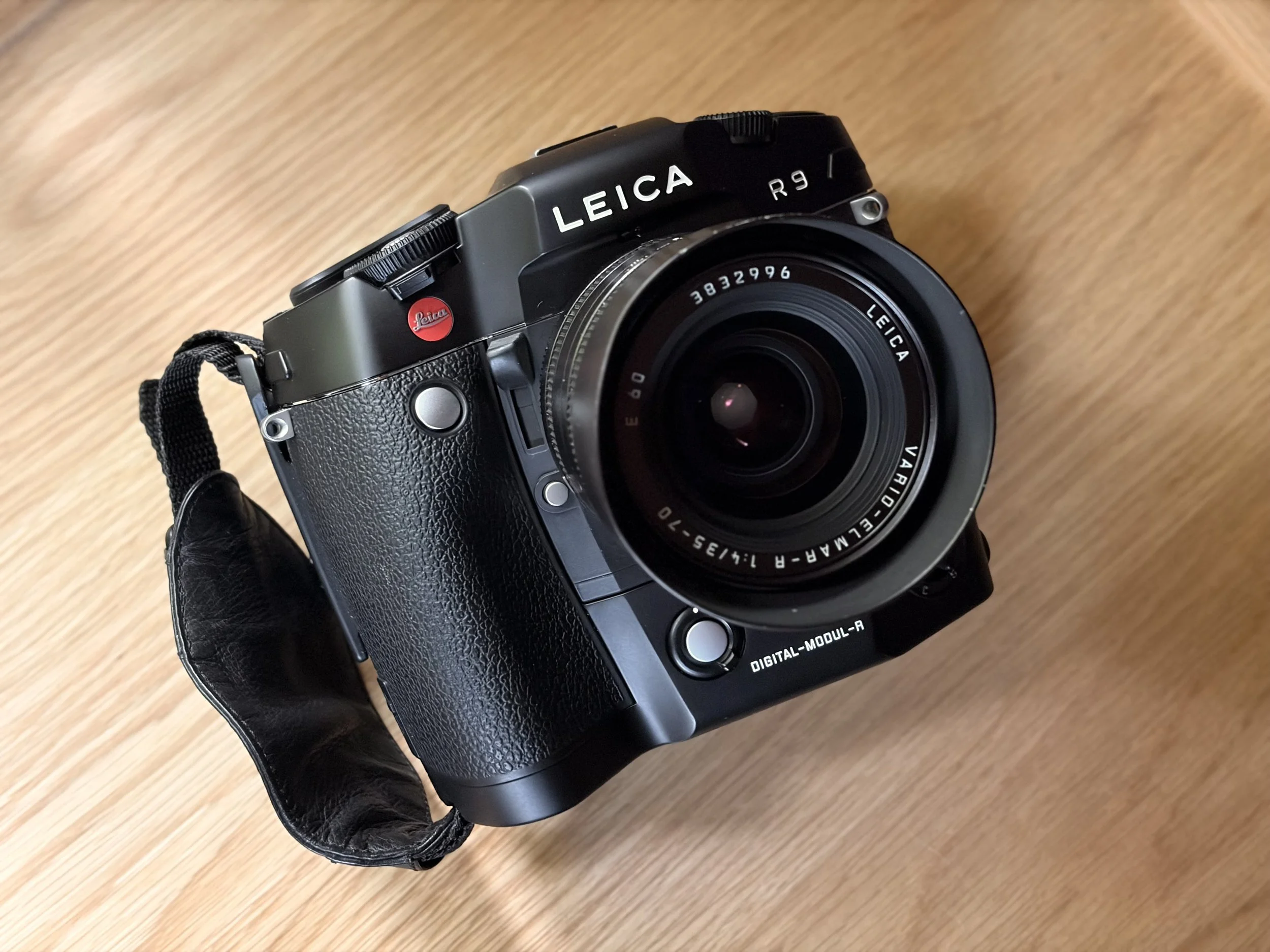
The reason I’m hang wringing and slightly crotecthy in front of a rucksack is because I have, for reasons best known to me, packed my R9 complete with digital back and a 35 to 70 Macro capable lens.
This is insanity …
A 21 year old camera, a paltry 10 megapixels and a memory card that can only store 50 images, not to mention the additional weight of about 1.4kg, and a separate power supply to power the two aging batteries. I’m gripped by what my wife will refer to as “the fever”.
I went into this assuming that I would simply use it for a bit, write some stuff, make a video and move on. I’d sell the camera or trade it in at Ffordes, maintaining the clarity that comes with a one camera rule like mine.
But that has not happened.
I have fallen into the trap I have seen so many others fall into. It’s not about the gear, it’s never about the gear, until the gear makes you feel something, and then you’re cooked. I’ve succumbed to the trap that I’ve scoffed at so many for falling for over the years. Decision paralysis is a trap, and it’s always one of your own making. So here I am. Tapping away on a keyboard to tell you that an extremely rare, reportedly prone to fault camera is worth your time.

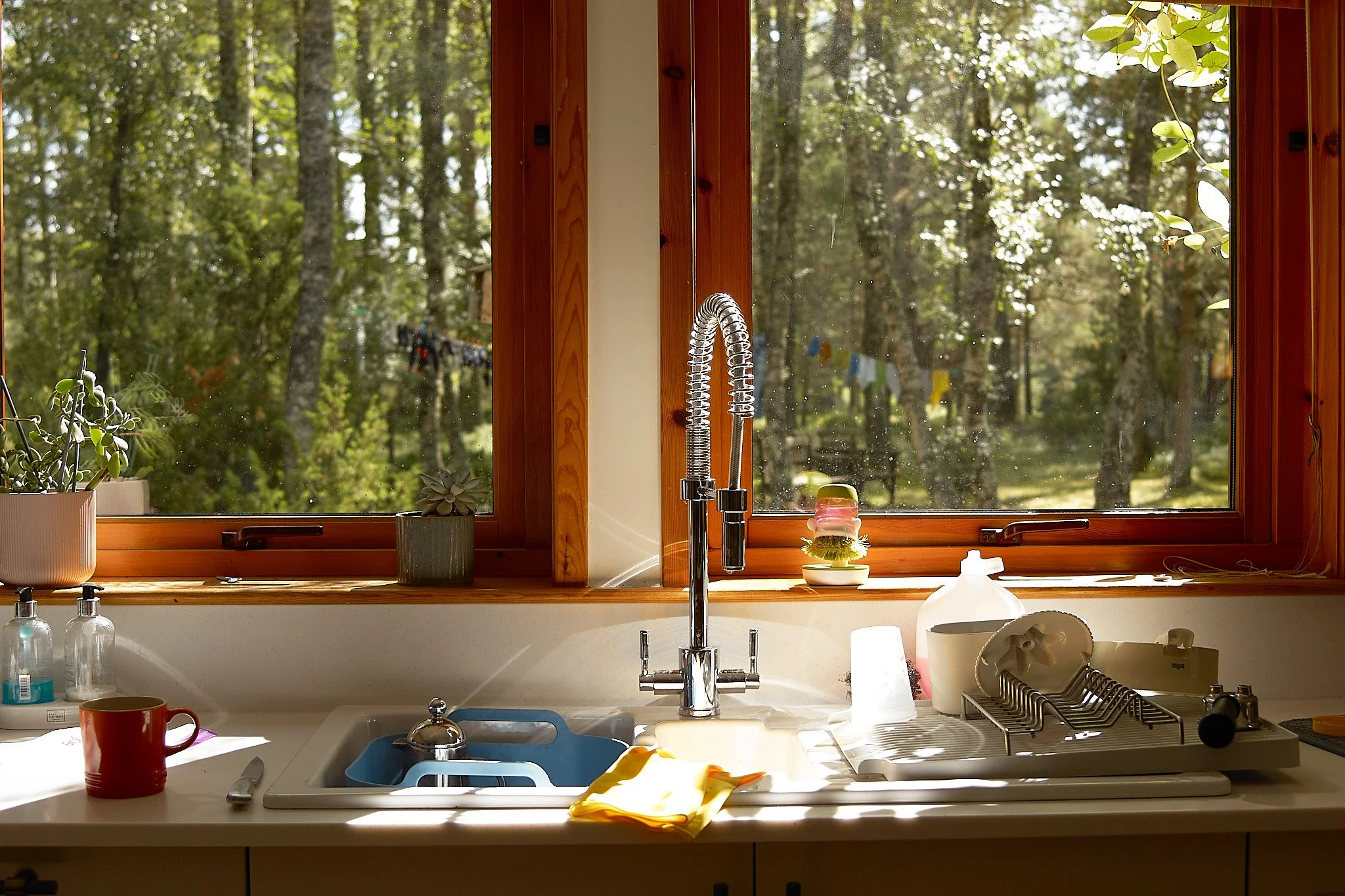
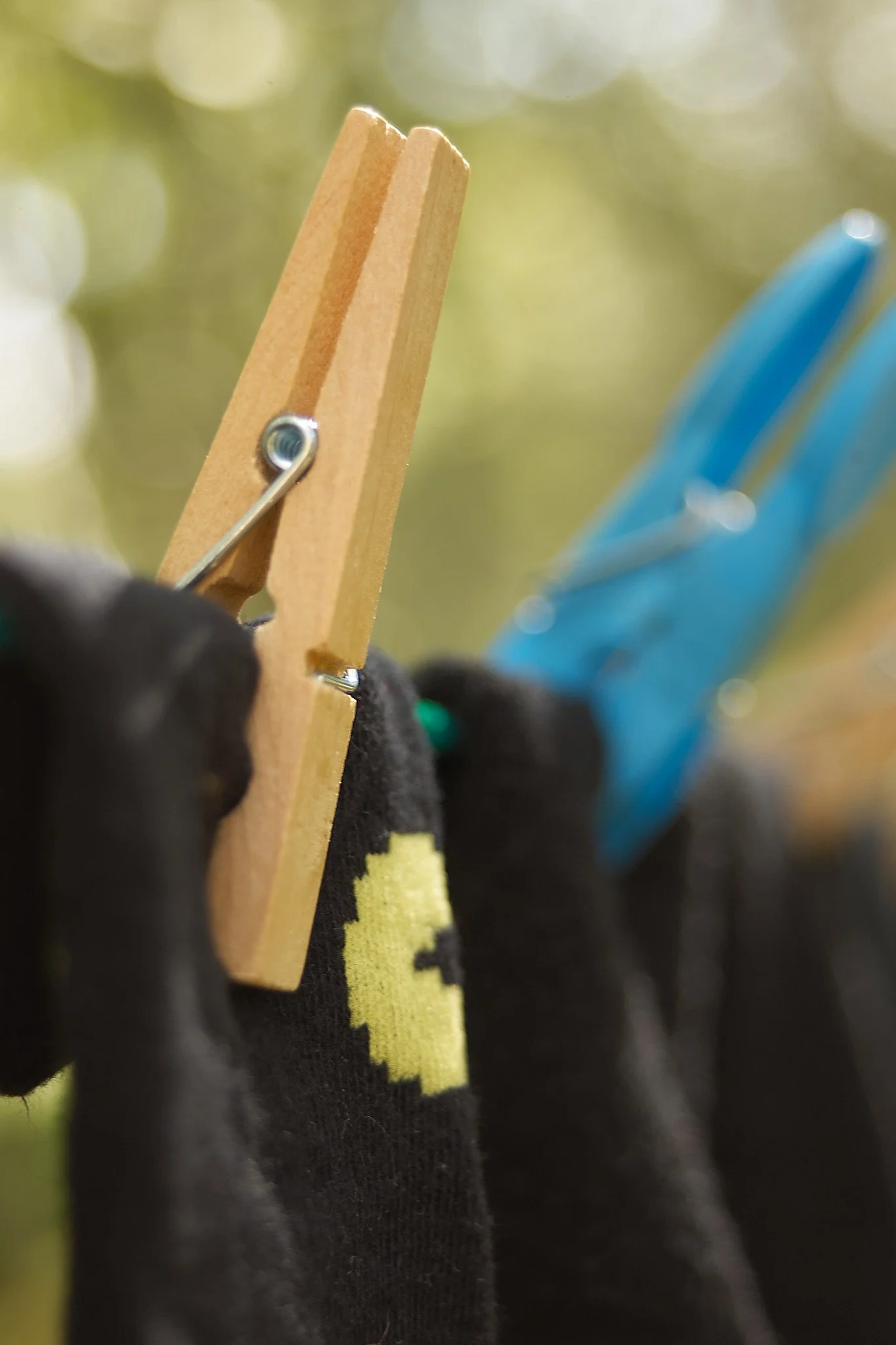
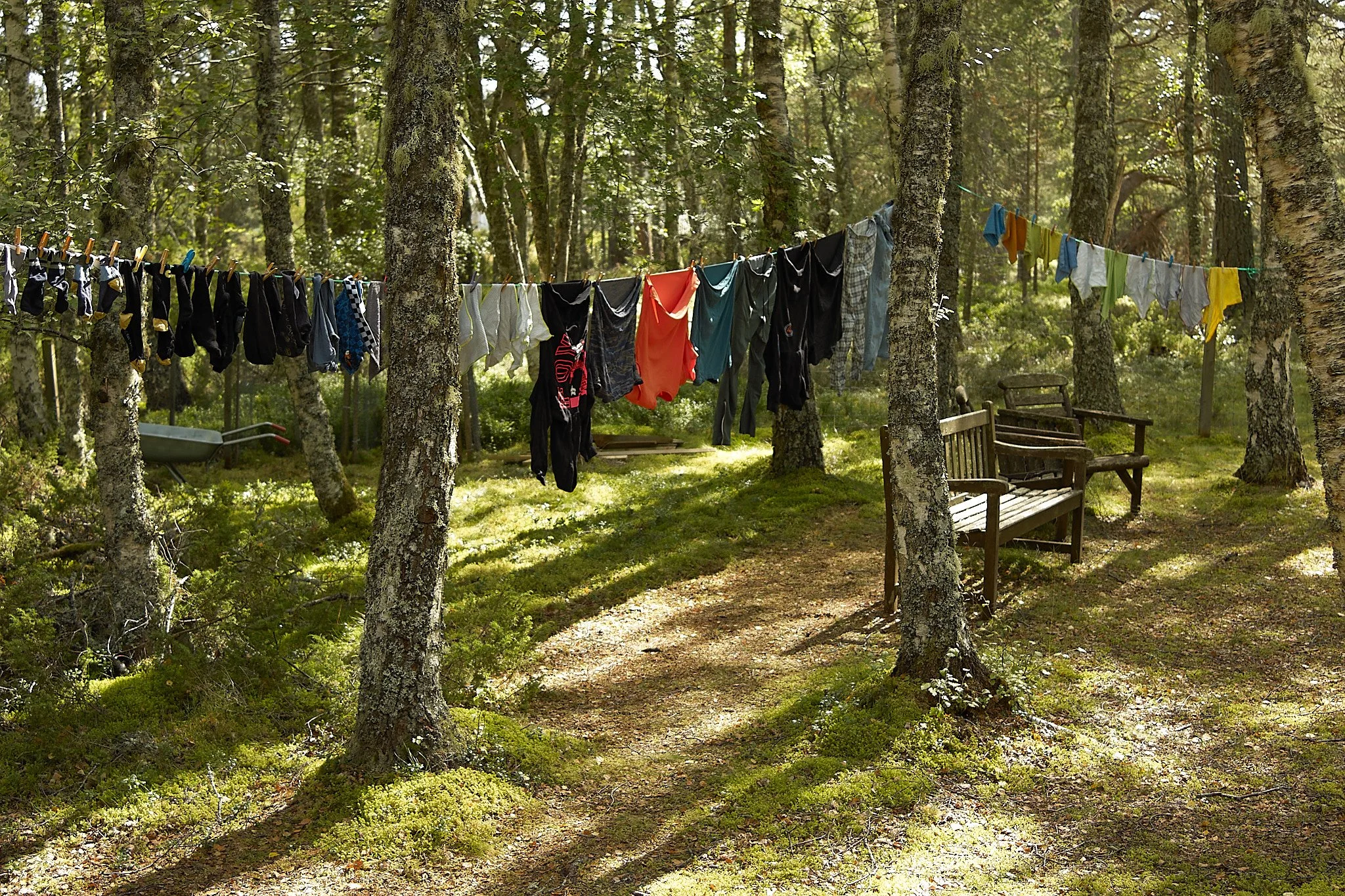

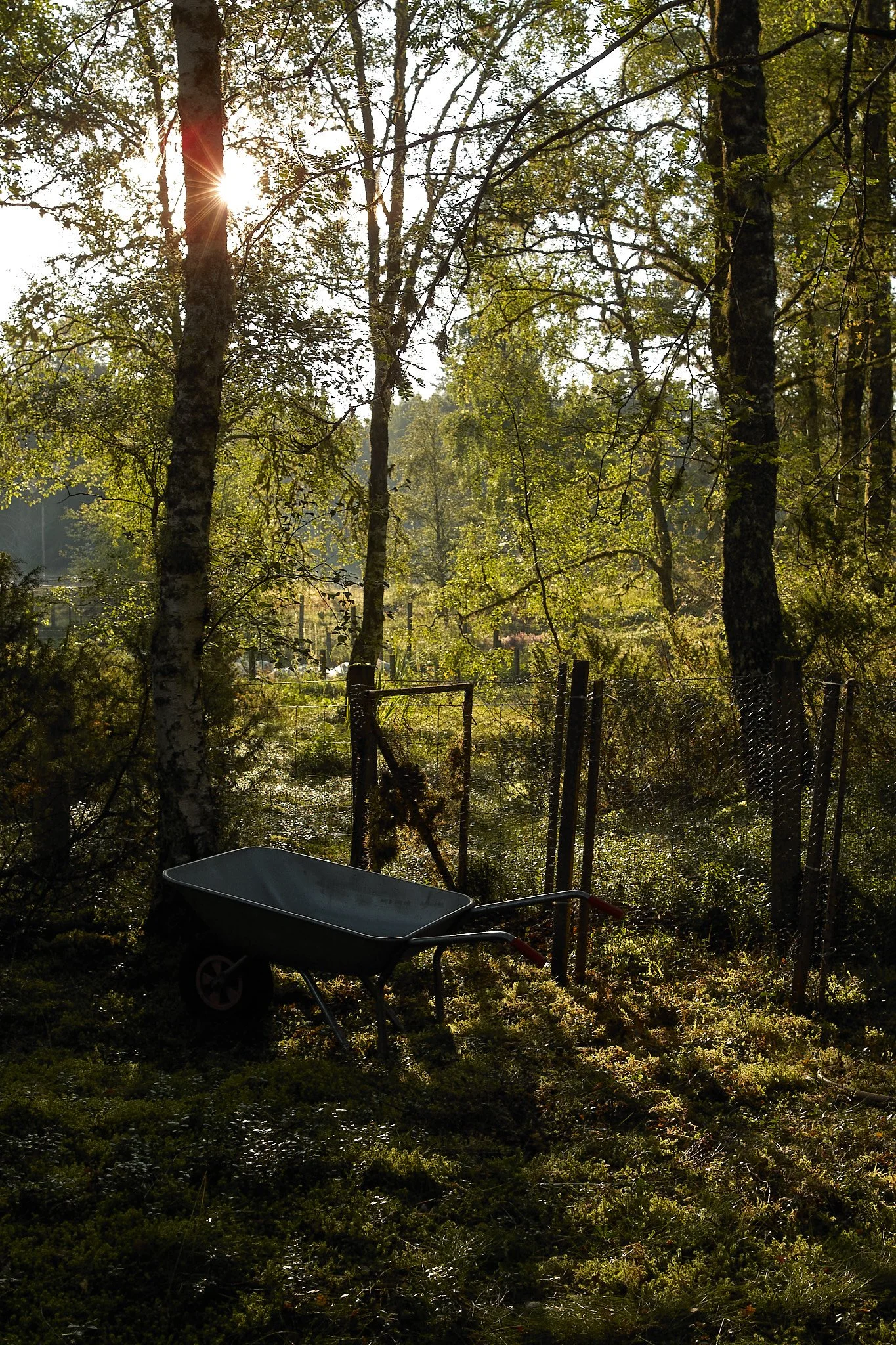
Leica’s R9 was the last of the R series cameras, a digital R10 featuring a full frame Kodak CCD sensor was scrapped in 2009, bringing to an end 45 years of R system development and production of one of the finest sets of lenses ever made. To this day and as you’ll see from my sample images, R lenses are stunning. Sharp and characterful, producing images on this old camera that make friends stop and stare. One of my lenses is slightly foggy and even that makes stunning colours that it’d take me ages to recreate in post. To this day they are held up as a high bar in optical performance, sought after by filmmakers and popular when paied with the M cameras of the terminally online Leica crowd.
2002’s R9 was essentially identical to the R8 with only a few small tweeks that I’ll let Thorsten take you through, but suffice to say that even with 100g shaved off compared to R8, it is a tank, feels great in the hand and makes stunning photos. I find it absurdly easy to focus with a ground glass viewfinder. In 2003, as the digital camera continued to improve a pace, Leica announced the development of the DMR. A digital add on for R8 and R9 that took a further 3 years to come to market, and required an additional investment of $6000 on top of the $5000 or so you’d pay for the body. To use it, you pushed a little pin on the film door hinge akin to the way that a lot of watch straps are held in place. You then removed the grip as if you were replacing the batteries. Then the DMR went on the back, and a motor and battery grip went onto the bottom, screwed into the tripod mount. This Power Rangers style elevates the camera from tank to unit. It’s huge, there’s just no getting around it. It’s also not full frame, something close to an APS-H size sensor, slightly smaller, which is why there are framelines in the viewfinder, a feature that as a rangefinder shooter I find to be delightful.
Three features of SLRs and the mirrorless cameras that followed frustrate me and this camera solves two of them. The first is that with SLRs you don’t see around your frame. A rangefinder allows me to see outside of my frame which means that birds, rogue kids, whatever else is going on can be anticipated as it enters or leaves the frame, and if you’re shooting a wide lens like a 28, you can open the other eye and use that to help anticipate. Secondly, I don’t love an EVF. The R9, like my rangefinder M has an optical viewfinder or as I like to call it, a hole. There’s no lag, no low light fuzz or focus peaking. It’s just the world as it’s happening and I really like that, killer feature. The last issue it doesn’t solve, there’s a blackout when I press the button from the mirror moving up, and I’ll just have to learn to live with that as I continue to tinker with this camera. A video featuring from famous friends is in the works and appearance of the shutter on upcoming episodes is a certainty. Apologies in advance :)