
Expose for the fireball with Daniel Milnor
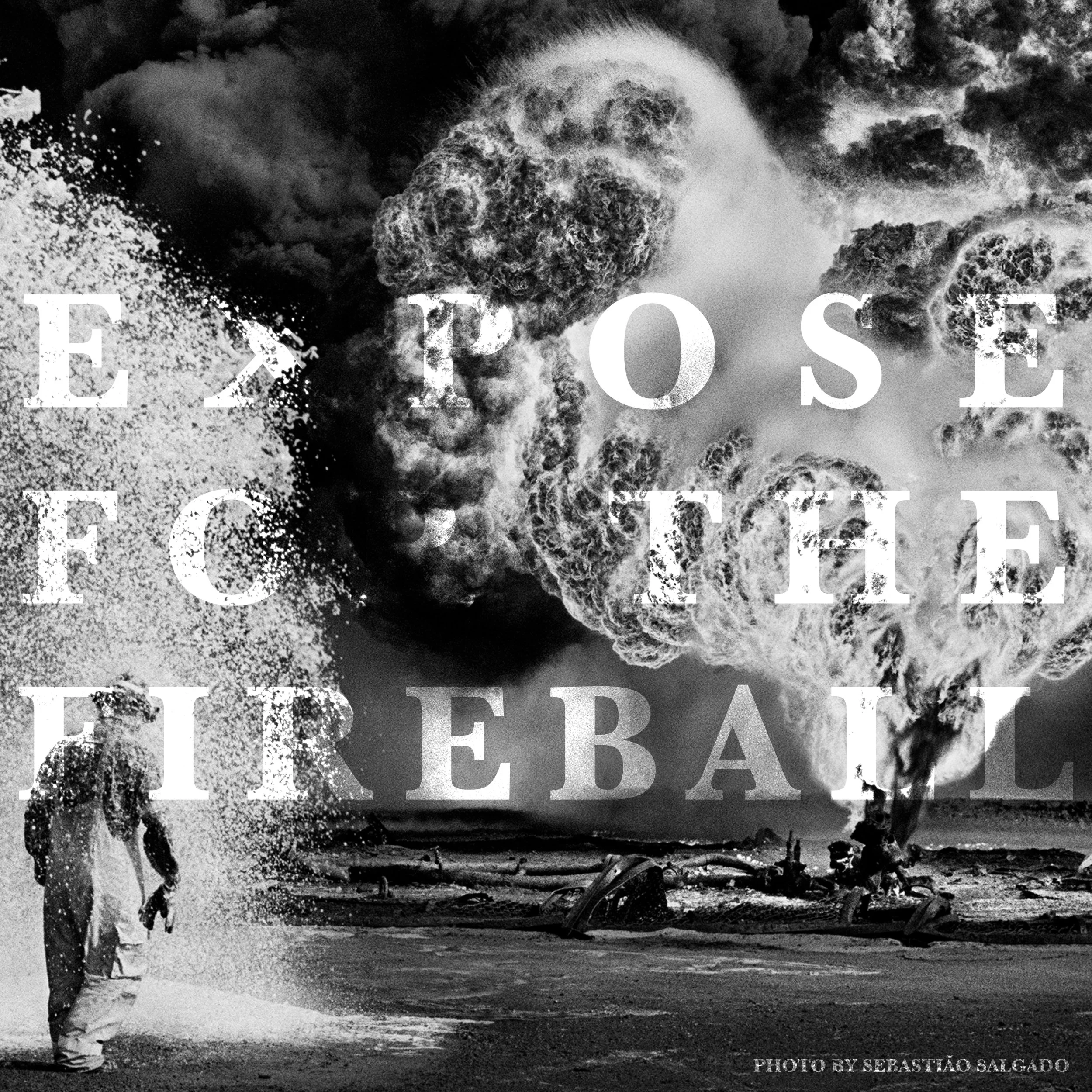


This week in a special midweek episode, I’m joined by Daniel Milnor of Shifter and Blurb. It’s a great conversation about life, the universe and everything in it. We even talk about some cameras!
Sign up to the Prime Lenses newsletter for a mid-week treat.
Support the show on Patreon.
Episode Transcript:
Iain:
Thank you. do you know on the subject of technology working I thought before this I thought I'll look up and just see when dan was last on right you were episode eight I've nearly done 108 holy shit wild man you've been a busy little beaver huh just a little bit as it turns out yeah yeah over 100 now but yeah well congrats on that thank you very much sir it is it is very lovely to see you
Daniel Milnor:
how's new mexico it is um you know it's new mexico it's uh it's in transition on a daily basis so it's going to be in the you know 70 degrees a couple of days ago which is you know absolutely ideal to go outside and you feel like, wow, this is great, but it's also 20 degrees above normal and we had no snow. So we're in deep shit water wise when it comes to summer. And, and we're, it's getting also hit by a lot of the idiotic policies that are happening right now in the U S are hospitals in trouble. Um, you know, food prices are crazy. Propane prices are crazy. So like there's the second poorest state in the nation. So anytime there's impacts like propane rises in cost. It's hugely impactful to the Native American community. And also the, you know, there's a lot of poor people who live here. So there, it's pretty rough. It's like a horror movie in terms of there's such a bizarre, you know, I'm bizarrely fascinated by listening to the narrative change, you know, the Iran thing where it was like, you know, initially it was well, Israel was going to strike. So we had to. And then the next day they're like, OK, that's not true. It's about the oil. OK, it's not about the oil. It's about their nuclear program. Oh, wait, no, we told you we destroyed that six months ago. And then it's about long range missiles. But OK, they don't really have those. And now it's like it's a holy war. It's a religious war. And I'm like, you know, the fact that half more than half of the nation not only voted for this, but were so easily conned by this clown. And the fact that they still support him. You know, it's just watching their own foundation dissolve underneath them. And they're still like, they hate the other side so much that they're still supporting. You know, people keep saying, oh, this is the straw. This is what's going to finally turn. Like nothing's going to turn. They think he's appointed by God. These are wackadoodles of unprecedented proportions. But again, the whole thing to me is more fascinating because there's a lot of people that voted for him that you don't think about. Everybody thinks about the base, but there's three or four other sizable groups of people that voted for him that really tipped the scales for the election. It's those folks I find the most fascinating of how they're still kind of towing the line in private. in public they're like oh I don't like anything but in private they're like oh I'd still vote for him
Iain:
yeah it's the two-tier thing it's like it's it's the can't can't hold multiple things in your head at once of it all like you can I because I've I think I've said this before on the show even but like I if you're if you're right leaning small government kind of the party of lincoln like if that's your mindset you've got so few choices now because it's like it's been taken over and it's here you know the the conservative parties all over the shop and it's leading to the rise of this party reform with nigel farage who is uh he's copying the trump playbook he just lost a by election so immediately he's like well it's a it's a it was a setup and maybe it was you know I think it was muslim people and it's like really nigel like at least come up with your own excuses
Daniel Milnor:
oh they you know the thing is they don't have to anymore because their base is so I and you know I love to use this term it's radicalization so america fought al-qaeda for 25 years and in that same 25 years we radicalized our population we are no different from al-qaeda in terms of ideology saying hate the other hate the other hate the other the the folks that really get me about trump the ones that I'm kind of fascinated by and mortified by are the the college educated the people friends that I know that are normal in daily life. They're normal in every other way. But no matter what he does, says, no matter whether it's pedophilia or convicted sex offender, pathological liar, racist, sexist, anti-Semite, any of them, they just move the goalposts and they say, well, Biden was worse. And that's it. That's their only excuse is Biden was worse. Biden was worse. And so those folks are the reason he won. That is the radicalized America that, you know, the base is going to vote for him no matter what. They think Biden's a reptile. You know, Biden was not the president. Trump is still secretly running things. And then something would go wrong and they would blame Biden. Like there's 50 million of those people in the U.S. But there's at least 20 million who are, who 20 years ago, 25 years ago were normal. Like they would look at an election and they would say, well, whose policy is what? Now they're just, there's a line in the sand and no matter what my guy does, he's better than the other side. And there's, I know a ton. That's a lot of my friends. They're just entrenched. And look, the Dems screwed us. The Dems were, there's a reason why they didn't trot Kamala out until the last minute. I mean, if you're on the, if you're on the Senate environmental task force and you receive $750,000 a year from oil and gas, are you going to rock the boat? No, you're not rocking the boat. You got your hand in the kitty too. They're just as bad. You know, they're not as bad as Trump, but they're, you know, there's, it's not like, I love the guy who found, they found, I can't remember his name right now. The Democrat who they found had buried gold bars in his backyard, Menendez, you know, there's, there's bad Democrats and they completely screwed their entire base by screwing around for four years doing nothing. I don't know what's going to happen. It's just embarrassing, but you know what? We deserve it because we voted for it.
Iain:
Yeah, it's pretty mental. I just, I mean, I don't know. I just thought the populists were done because they'd all failed to deliver. And then the last of them, they were starting to go out and now these guys back in. And I just hope it's just a couple more years. But the damage, the untold damage that's done to institutions in that four-year period.
Daniel Milnor:
25 years to undo what he's done. I was thinking about this yesterday. Maybe 20 years to undo. I think the indictments and the criminal trials when it flips back, because everyone in the cabinet right now is going to get indicted. At some point down the road, they're all they're all create, you know, whether it's crypto scam or, you know, Pam Bondi's new mansion in Palm Beach on the on the coast done through a shell company in Cyprus. All these people are going to get exposed eventually. You and I will be like, you know, we'll be in diapers and being led around not knowing who we are. It'll happen as my friend Paul says. And maybe this is the best way to start this interview. Expose for the fireball.
Iain:
that's that feels like that was salgado's secret on the oil fields it's like exposed for the fireball exposed for the fireball I love that expression that's very very good hey on the subject of
Daniel Milnor:
the late great hang on take my headphones out look at that oh you know that is such a bizarre beautiful camera and I told you in the email um there was a photographer when I lived in southern california there was a photographer at the orange county register named Dave Yoder I think he's based in italy he's been been there for a long time dave's a really smart guy uh and he's a really good photographer there was a book that came out um by Doug Preston a couple of years ago about a expedition down into central america to look for this I think was called lost temple of the monkey God or something like that. It's a great book. Dave's featured in there as well. And he was an R, almost positive. He was an R Leica shooter. Look, the sharpest glass I've ever seen in my life was Leica R glass from, I had two R6 IIs for a long time. I did a trade with someone. I'm trying to remember how I got those. I did a trade and I ended up with two R6 IIs, a 28, a 50. And I loved those cameras, but they broke all the time. Oh, interesting. And that's why Salgado had so many cameras. Um, and there's some funny stories about like, uh, equipping photographers back in like the late eighties, early nineties, trying to get people to switch to our Leicas. And they were just breaking all the time. And it's kind of what, you know, I had an issue because they, they broke, I sent them to Leica and Leica had them for six months and never touched them. And I couldn't get them to send the cameras back. I had to call a receptionist in New Jersey, tell her, you know, plea my story. And she went and found them and shipped them back to me. They were non-functional and I just sold them after that. But I loved those cameras.
Iain:
Yeah, I'm struggling with the viewfinder. So the thing for me, I've shot the M for so long that the, for people listening and hello, this is how we start things. It's quite fun. Oh, what was that? no that was just howdy oh just howdy wow um the viewfinder is because I'm used to a rangefinder viewfinder where the two pictures kind of overlap and then you know you're in focus this is like getting into a sports car there's a split in the middle and then there's also the fuzzy bit around the edge and then there's the rest of the viewfinder and I've got it's almost because I'm getting so much information it's trying to tell me so many things and I feel like an idiot and I'm like I don't know what you're trying to tell me I think we're in focus I'm gonna find out tomorrow when I develop some film but it's like I don't know so I have a suggestion
Daniel Milnor:
and this goes back to all my um back when I was shooting nikon the first time I still shoot nikon now and fuji and leica but I um and hasselblad and a myriad of other weird cameras that I have around um ground glass finder that's what you want is you want to remove the focusing screen and just get a ground glass focusing screen, and it will make your life a million times better. And it is awesome because it is all out and then all in focus. So when I shot Nikon back in the film era, FM2s, F3s, F4s, that's the first thing I did was remove the focusing screen because it always came with a split finder, and I never liked those. And I just went ground glass. And I can't remember the name of the company that made them, But everybody was pulling those screens and going ground glass, at least in the news industry.
Iain:
It feels like one of those solutions which on paper is inarguably very clever and giving you lots of information. But it's just there's so much in if you're not just photographing a still subject that's something angular that you can kind of reference on. And I think that's when I develop the film tomorrow. I think that's what I'm going to see in the negatives is that it won't just be because it's manual focus. it'll be, I was confused, you know, how to, how to get it.
Daniel Milnor:
I felt the same way. I mean, if you give me like with an M range finder, I can focus with that, you know, lining up angles and things, but with that split screen and an SLR, I can't handle it. I'm terrible with that. I just, I feel the same way. I'm like, am I using the outside of this or the inside of this? And by that time the frame's gone and you're like, I need something that works immediately. And that's like, there's no better training than the news industry to figure out what works and what what what's a gimmick and I'm not saying that's a gimmick obviously they've been building cameras like that for decades but you know you when you're under pressure to perform on deadline and there's somebody that's going to scream at you if you don't do something right um or cancel your internship or whatever it is you're like I need something that works right now and ground glass is like the only way for me even even still I was still I would still blow focus from from time to time and it's so funny because I think back to the times where, um, I, you know, the pick, the good pictures that I made, I often don't think about those. I think about the stuff that I missed and I was shooting a major league baseball spring training in Arizona once, and I'm a terrible sports photographer, but I was living there and there weren't that many photographers. And so I was getting assignments all the time. It was great. Mariners, Cubs, you know, they, that there were like half a dozen teams that based out of Arizona. And I was shooting a game and the rule cardinal rule was no second base. You could not shoot second base because it was too easy. You had to look for something else. And I was with two guys who were really good sports photographers and a full-time SI sports illustrated baseball photographer. And I was like the, I was like the, you know, what part of this picture doesn't belong. It was me. And they were in like, I think it was in the seventh inning stretch. You could go into the, underneath the stands and for the media, they would give you a hot dog. And this was like a big deal, right? You know, Oh, did you get your hot dog? You get your hot dog. The Dodger stadium is a really big deal because of Dodger dogs. This was in, you know, some small stadium in Peoria or something. And the three of them had gotten their hot dog and were outside. And there was a play at home, home base. And I just remember motoring it and realizing, oh, I'd spun the wrong way. Like it's so far out of focus. It looks like, you know, an art experiment of some kind. And they heard my motor drive and they saw the play and their faces of like, oh my God, we missed it. And I was too embarrassed to say I missed it too. Like I blew the focus by, you know, at least a half a turn. And, you know, the whole time of them going, let me see it. Let me see this film era. So it's like after you process your film in my head, I'm like, please, please forget that you saw that. Please forget about it. None of them forgot about it. And they were just merciless in terms of like, oh, you blew it. You had it. You blew it. You could have had something that none of us had. And no.
Iain:
But those are the experiences you have. And those are the ones that, like you say, that you learn from because it's painful. You know, I feel the same way. I've had similar experiences with the show, actually, where very early on, recorded with someone, especially someone who works in something like with good audio. And the thing they work on has really great audio. And then I stack the audio and I was like, fucking, and you just, but you won't forget it.
Daniel Milnor:
No. I mean, it happens. I think most of us, if we are honest with ourselves about what it is, I think those, and making a mistake on assignment is very different from experimenting with something and making a mistake and learning from it. Like those are two very different painful, painful moments, but I'm so used to experimenting and making things that don't work and then looking at it and going, oh, that didn't work, but like I can pull this one little thing from it. But thankfully I haven't done many assignments in the last whatever. I mean, occasionally a couple times a year, Blurb will send me somewhere to make stills or make a film or both. I've got to go to Rochester to do something on our facility there. I was in Eindhoven two years ago after Antarctica making a film about book production, but it's pretty rare that I'm on assignment now. So most of the time when I screw up shooting, it's not that big of a deal because it's just me. You know, I'm just making stuff for me and it's not a, you know, not a, those days are over. I don't, I don't miss that at all. I, someone was talking to me about wedding photography the other day. I was a wedding photographer for like five years and I just got the chills thinking about if someone came to me now and said, can you do the shoot? I'd be like, absolutely not. No, no, I'm too old. that ship sailed. I'll fumble around with my own stuff. But yeah, I love photography today as much as I ever have. I just don't want to do assignments for people. Having said that, now that I think about it, I might be doing one this summer for someone else, not blurb, an actual assignment for another brand, which could be really fun. And the guy that I might do this for, I just love this guy. So co-founder of AG, my old zine project. So it's very in tune with photography and the creative world, but that could be pretty fun.
Iain:
Well, speaking of things happening later this year, you're going to be at the Raw Photo Fest as well on Menorca.
Daniel Milnor:
I am. In May. I got a lot of ground to cover before then, but I will be there. Well, here's the thing, man. Going back to what we originally were talking about, I'm supposed to fly through Doha. Ah. And I'm, because I'm coming from Hong Kong. And I don't know if, you know, Cotter Airlines is not there. They're opening up flights now to some of the European capitals, Paris and London, a couple of other places, but not they haven't opened up from Asia. So I'm hoping by the time this rolls around, I'm not flying from Hong Kong back to New Mexico, that I'll be flying to Spain.
Iain:
Fingers crossed. It'd be lovely to see you there. Do you do you have a plan from a blurb perspective, from a raw perspective, like for what you'll probably be doing if you make it?
Daniel Milnor:
So Amy and I are both coming. My wife, Amy's coming as well. Amy worked for Canon cameras for 30 years. She was a tech rep and ran the motion picture Hollywood center in their motion division for the past few, the last few years of her career. So she goes to most of my workshops. She's like a third instructor, if you will. She's really good with the students. And she's told Christelle, like whatever you need help with, she's going to be helping. For me, apparently it's going to be reviewing portfolios. I don't have a blurb. There's nothing blurb related there, although everything I do in my life is tangentially connected to blurb. After the festival is over, Sarah Lean from formerly – I don't know if she's still – I don't think she's still with Nat Geo, but she's the first female photo director at Nat Geo and also a photographer at Nat Geo for many years. She's awesome. She's teaching a book class and I'm going to give a small talk as part of like sort of internally in that class. And then I'm just going to be consuming as much as I can. And also the blurb angle for me will be making short form social content, which is primarily what they ask me for these days, like YouTube shorts. So, you know, I try to do like for me, I could do as many of those as a day as I wanted to. But for them, I typically try to do one a day just to kind of give like if I see something interesting, like, for example, Capture One is one of their one of their sponsors. And so I met the guy who runs Capture One in Barcelona two years ago. So maybe, you know, I have a little quick talk with him and talk to people about Capture One or that kind of stuff. So, you know, it's the whole I just taught a four week book class online, two and a half hours once a week for four weeks. And like, we didn't really scratch the surface. It's a pretty complex thing. And it connects to things like software, like Capture One. But people don't think about it because they're obsessed over the actual fabrication of the book itself. But a third of the book publishing process happens before you would get to something like Blurb. So for me, the educational opportunities for being in something like RAW, or I'm in Hong Kong the week before and I'm doing a two-day photo workshop where we're shooting. And then I'm judging their photo contest and I'm also giving a talk. The educational opportunities with something like that, because the camera club that I'm working with in Hong Kong is the oldest camera club in Hong Kong. And it's a paid membership thing where it's mandatory in-person meetings. This is not a casual camera club. It's a legit hardcore group of people. And I've seen some of the work that comes out of them. they're good so the educational opportunity with a group like that is fantastic yeah oh that sounds
Iain:
really good well I mean if nothing else you're gonna have a nice busy year it sounds like irrespective of whether you make it to minorca it's you know I'm booking stuff into 2028 right
Daniel Milnor:
now and it's you know it's I I thought to myself oh you know I had a little break because I go from from here to japan and I teach with elena dorfman for two weeks in japan and then I'm in hokkaido three days. That's sort of an extension at the end. We're kind of scouting around, just looking at how kind of the class is over by that point, but we're just kind of looking around for future stuff. And then I do the Hong Kong thing, and then I go from Hong Kong to Spain. And the prep for trips like this, it's pretty much non-stop. And all of this, again, is outside of my daily blurb duties. So it's a lot. I keep thinking to myself, Like, oh, I was supposed to be in Santa Fe for the first time in the summer, for the first time in years, I was going to be here. And I don't leave. I go to Albania, Croatia in October. And I was like, oh, I have all this time. I have all this time. And then it's like, well, maybe you go to Canada to teach a workshop. Maybe you're in New York to give a talk. And all of a sudden, it just goes. I mean, you look at the calendar and you go, man, I have to do this today. Like, you know, I'm booking into 2028 and I have to do the syllabus for that now. Like literally today, I have to do this for something that's happening in 2028. It just goes so fast. And I think as you get older, the clock just goes. It just speeds up.
Iain:
It does feel true. And actually, I'm going through a similar thing right now, which is the primary driver is school holidays for kids. Because if you map out the year, you go, right, well, what's happening? So you map out school holidays first, then you map out maybe business trips like quarterly stuff that Alice knows she's going on. Then you map out a couple of things that are photo related that I'm going on. And then before you realize it, there's not three weeks goes by without someone going somewhere that needs to be planned. Not to mention, like you're saying, opportunistic stuff that occurs. And that is an interesting thing to sort of poke and pick your brain about a little bit, Because I think everyone listening will have some version of this for personal work, for professional, whether they're professionally shooting or not. Have you found a way of carving out time? You've discovered the birding photography in the last few years and made brilliant stuff. And also I wanted to ask about the book with no birds in as well, because I thought that was genius. But how do you kind of factor that in? Because like you say, you've got a full-time gig plus the admin stroke project management of everything that goes around that. And then these experiments and things that you want to run for your own sanity. At this point, I mean, you're only 27. But at this point, have you found a way to manage that, to juggle that, to carve the space out? Is it morning pages? Is it like, how do you do it?
Daniel Milnor:
Oh, that's a good question. Um, that's a good question. I don't know if I've found any specific, I mean, there is no differentiation between my life and my blurb life. They are completely intertwined and I have the best job in the world. So my, I've been with blurb for 15 years and the jobs changed a million times. I've had a million different bosses. I love the fact, I've always worked for a female boss. For 15 years, I've never had a male boss, which I absolutely love. We have a great team. The team is so talented. We have people on the team that I look at and go, I have no idea how you can juggle all this stuff. So I'm in a very fortunate position. My affiliation with the brand, even though I'm a full-time employee, there's a lot of autonomy. So most of the events I have coming this year are not coming from the blurb circles. They're coming from my circles. So for the brand, it's a good thing because they don't necessarily have to budget and send me to these places. I'm being sent by other people for other reasons, but then tangentially I connect back to blurb. So I have a lot of autonomy. I have a lot of freedom. And what they ask of me, they typically give me enough leeway where they'll write to me and say, look, these are a series of topics for blog posts for the next, you know, three months. Um, and we're working six months, eight months, a year out. So like these blog posts are going to be running a long time from now. And so they'll say, do any of these topics, like these are kind of the themes, but what subtopics appeal to you? And I'll look at those and say, these are the three of these subtopics that I think are the most interesting. And they'll be great. Can you do a blog post for each one of those. If I try to schedule those like over a series of weeks, it will never work. I literally, because I write blog posts every day for my own site and most of the topics I'm covering, I've either written about before or tangentially I've written something close to it. I just immediately stop what I'm doing and I write three blog posts and I have the artwork pulled from my archive and I send everything up. And, you know, they'll say to me, I cannot believe how quickly you got that done. But to me, it's a survival mechanism where I know because, you know, like this week I go to Utah and I speak to another brand's marketing team, which is mortifying to me because I feel like an imposter. I've been in a marketing team for 15 years, but I don't consider myself a marketer. I'm an observer more than anything else. I watch trends. I read a lot. I like to kind of study what's happening, but I have to do, you know, for eight hours that day, there's a team going to be staring at me in a conference room. like, Oh my God, what am I supposed to do for eight hours? So it, it, you know, I'm building this presentation. I did it last year, but I'm building a new presentation for this year. That takes a lot of time. You know, there's no days of the week for me. I love working on Sundays, um, because no one's around and I can do whatever I want. So you're, you're, there's no real time. You're off unless you sequester yourself. Last week I was in Jamaica for a week and my wife was like no work, no teaching, no photography. And it was seven days of nothing. And yeah, I made some pictures and I'm going to do some blog posts from what I made, but it was, you know, you, you kind of go, you come out of that. And I was like, Oh, this is nice. This is, I could kind of get, you know, used to this a little bit, but again, there's no, you know, it's not like I punch o'clock. It's there. I'm just on, when I was on the beach in Jamaica, I got a call from one of the most famous American photographers in the last 50 years. His archive of celebrity portraiture is like unrivaled by anyone. I met him when I worked for Kodak in the late nineties. And, um, I absolutely love him. Greg Gorman is his name. When I was a Kodak rep in LA, you know, he was in the stratosphere. His West Coast studio was one of the most incredible photo facilities I've ever been in in my life. And Greg is just a maniac in all the best ways. And he called me and he was with another photographer who's also really famous who I will leave out because I don't know if she wants me to talk about this. But, you know, I'm on the beach there and the phone rings and I see it's his number. And I could I know that my wife would be like, you know, don't take it. Don't take it because it's work. And I'm like, no, no, no, I really want to talk to him. Like it is technically, and yes, they were asking me about some blurb things. But it's like I come out of that phone call and I think to myself, man, I can't believe I get time with this guy. Because just what I've done, and I don't mean photographically, but when I was in LA and I was a Kodak rep, the first time I ever called him, because there were probably 10 people in the city at that time that were kind of stratosphere, unreachable people, right? They were, you know, very famous photographers, lots of people around them, assistants, studio managers, whatever. You'd call them and they'd be like, why would we ever talk to you? Like, why would we ever let you in our studio kind of thing? They would literally say stuff like that to me. The first time I ever called Greg, he answered the phone and which I was like, great sign. Kevin was his main assistant, Richie, his second assistant, Trish studio manager, but Greg answered the phone and he goes, yeah, you know, I like, I love Tri-X. I love your black and white. I don't use you for color, but just, just, just come over. And he hung up on me. And I was like, oh man. So I jumped in the car, drove to his house on sunset Boulevard. He lives up above sunset. And I knocked on the door and the door opened and it's him. No, hello, No, nice to meet you. He's holding a bottle of wine and a glass of wine. And he goes, just smell that. Just, just smell it, smell it. And he puts it under my nose and I'm like, wow, I don't know anything about wine. I'm like, wow, it smells great. He just turns around, walks in, leaves the door open. I went in that studio and he just ignored me. They just ignored me. And I just got like sucked into that community. And, you know, talk about generosity. I think it's one of the most unspoken things in photography. There's not as much generosity as there should be. And Greg is like the walking embodiment of generosity. You know, he knew at the time I didn't have a ton of money. I was part of this, this incredible once a year art box collaboration between 20 to 25 of the most famous photographers on the West Coast. And this goes back to people who were in their 60s, 70s, the unreplaceables. There's no coming along. We would all gather once a year for breakfast. And one, Frank Achenfels, the photographer, stood up and said, you know, we should do something to kind of commemorate us all being together. We should do a print box, right? So everybody puts in a print. And then every year we do another print box. It's, you know, amazing idea. Frank's incredible. That dude is like, I'm actually taking his book to Utah with me this week. And so, you know, I'm like, how the I don't have a printer to make these prints. I don't have time to do them in the dark room. It's going to cost me a fortune to do these prints. And Greg's like, I got you, you know, come to the house. I'll, and Greg's sponsored by Epson. He's, his prints are insane. Greg prints my print box for me, you know, during that year. That's not common for people at that level to take time out, to help someone like me put a box together. So when I see that guy's name on my phone, I just think generosity. And that's why, you know, when I take phone calls at weird times from amateur photographers, or I make YouTube films, trying to help amateur photographers, it's because of everybody that helped me. There's a long list of people that helped me make it to
Iain:
where I was. Well, thank goodness you also occasionally have said yes to random blokes in the Highland who make a podcast. Yeah, I mean, it's the same thing. Yeah, well, it is. But I mean,
Daniel Milnor:
I knew from day one that what you were going to do was going to succeed because of five minutes of talking to you. And I'm like, yeah, it'll work. I just got off the phone with Quentin Gordon in Victoria, Canada, who's a friend photographer. Quentin's super smart. You know, he's done his books, his work. I did an interview with him probably six months ago. I was in Victoria. So we did a little video video kind of thing. He's starting up this new thing called turn signal magazine. And he sent me an email and I saw the link and I just immediately went and subscribed for a year. I'm like, that's the best 50 bucks I'll spend because I know what he's going to produce is going to make me, it's going to force me to be better because I know his work. I know how good he is. I've seen his books. I've seen his prints, that kind of stuff. I'm like, man, that is a, I'm not working as a photographer. I'm never going to work as a photographer again, but I was like, I have to be better. I have to be better. I can learn from this folks. And by the way, if I'm going to spend 50 bucks to support somebody, that's a good 50 bucks right there for a year of whatever he puts out, I will be better because of it.
Iain:
I completely agree. I think supporting the people who make stuff that you believe in is one of the last ways of, you know, pushing goodness out into the world, isn't it? If you go, it's like shopping local. It just feels good to support people that you believe in who are doing something that's valuable. And then you're never sat on a call with friends going, yeah, I can't believe everything's closing. I thought, well, did you ever use any of it? Yeah. Because if you didn't, that is like, I can't believe they closed the library. When did you last go? 1997. Just, you know, like, yeah, that's why it's closing.
Daniel Milnor:
Well, that's why I love, you know, I have a list of people that you could interview for the rest of your life. You know, the person that Greg was talking to is another person that you should talk to. And again, I won't use her name here because I don't know if you want me to share it, but she's a powerhouse. Like, and I would love to listen to that interview Because I know her and we've met many times over the years, but I don't really know her, know her. So like for your interview skills with her pulling that stuff out, again, selfishly, greedily makes me better. You know, I interviewed a guy this week. You'll laugh. I was laughing and he was laughing because it was such a funny, bizarre sort of combination. So the state of New Mexico does this blog post that's like top websites in New Mexico, whatever. And somehow Shifter ends up on there. And I'm like, oh, this was like an AI bot that just like found some, you know, there's no reason for me to be on there. And shortly thereafter, I get this email from a guy named Ananda Forrest. And he says, hey, I wrote this book. Would you consider sitting down for an interview? And I said, did you find me on that New Mexico post? And he goes, yeah. And I said, look, you know, that's it's not something. It's not real. I shouldn't have been on there. I mostly interview photographers, creative industry stuff. He wrote a book called The Good News About the World Falling Apart. The title is intriguing to me. I go, oh, especially now, because so many people are mired in the negativity. They can't really pull themselves out. I'm like, hey, yeah, you should follow current events, but don't let it dominate your life. Whatever it is you do, do it to the best of your ability. That's how you help all of us is just to do whatever you do to the best of your ability. So I went up and interviewed this guy. And first of all, I read the book and I probably took 200 lines of notes on this book. And I was like, and the weird part is, so I go up, I take all these notes and I'm like, wow, this is kind of interesting. I go up, I do the interview and this is like completely out of right field for me. So he is a guy born on the East coast, highly educated, wealthy family, Yale law, throws it away and starts a shamanism center in upstate New York, which is still, he ran it for a decade and then turned it over to someone else. It's still going, moved out here, wrote this book about the third turning of human consciousness. And I was like, I came out of that interview and we were both laughing because, you know, he would say these things and I'd go, oh, that's going to freak people out. That's going to, and I was like, that would freak me out. He'd be like, yep, you're right. He was very pragmatic, very like, hey, this is never going to happen overnight. That was such a fun, like talk about influence. And here's the crazy part. There were so many overlaps between what he was talking about and what I talk about when I talk to people about creativity, literally word for word, some of these things, I was like, I say that in my presentations. I say that in my presentations. I was like, wow, I had no idea how this stuff was connected. Fascinating. I'm just like, now it's like, I've just kind of like looked around saying I've got to broaden, you know, that guy to me was like, broaden your perspectives. That's what I need to, you know, too myopically focused on one thing is not super interesting. There's so much more out there and it's so connected I couldn't believe it like one he talks about the third turning of human consciousness the first one is human's discovery of fire and I talk about that because after we discovered fire fire gave us protection and protection gave us time we had the first understanding that we had a being and immediately developed language music and art and the art part of that is the same thing that you and I are doing today we're cave we're cave painting with better technology in essence you know we're telling stories don't go that way when you leave the cave go that way or you're going to get wasted by the saber tooth or whatever and um I was like oh there's so many parallels here that are pretty interesting to contemplate that's the woo-woo portion of my interview right now
Iain:
no I love it and I have said multiple times recently um that I'm not very woo-woo but and And then think because things keep happening, like stuff comes up and I don't want to go to Rick Rubin, but I do enjoy a bit of Rick Rubin. And I think, you know, you're kind of it's like, have you seen the film Withnail and I? No. It's a British classic. Oh, you'd love Withnail and I. Withnail is the name of the character. He's played by Richard E. Grant. And Paul McGann plays his friend who in the script is called I because he's kind of narrating the story. It's like the end. The story is the end of the 60s. They're two struggling young actors. They're in the house. They're cold. And like Richard E. Grant's character, Withnell, is covering himself in deep heat because they can't afford to turn the heating on. So he's got deep heat and he's rubbing it into himself. And they've got this friend who's a bit of a stoner mate who comes around and is explaining to them in detail how like, here are your aerials, man. They connect you with the wider consciousness. He smokes a Camberwell carrot at the end, which is enormous. And he's like, why is it called a Camberwell carrot? It's this massive joint. And he's like, well, I invented it in Camberwell and it looks like a carrot. And it's like, oh, okay, fair enough. But yeah, with Nellon is great. But it is that thing of like everything is connected. I used to say to people, and it's funny what you say about people being freaked out because I used to say to people on teams that I would run, everything's connected. And what I meant was in the fullest sense, how someone feels about something, how we've designed something, how that again is picked up by the salesperson you're working with or the engineer over there or the manufacturing person or whatever. But the problem with that is it's so big that if you've not really got that thought technology down, then that just freaks you out. Because you're like, what do you mean everything's connected? And then they go off in the wrong direction because they're like, well, you said everything's connected. I was like, well, it is. But that means we think about how it's connected. You don't necessarily pull on the thread. You just know that the butterfly flapped its wings and there was a tsunami. That doesn't mean you go and kill the butterfly. necessarily but you just you sort of understand it so it can be really hard to kind of convey that and I think creatively because that's one of my favorite things in the show as well is that people come from different backgrounds and so you have a person who's good at one thing and can then apply that to another thing kind of you know we have this idea of creative disciplines that's not really creative I I think actually if people are good at things what you see a recent guest actually his episode has not gone up yet but um reggie balesteros who is a photographer but he comes from an engineering background and he's worked in like crazy gas sensing technologies and now he's at google and he's kind of the interface between engineering people and trying to go well you you should make the camera kind of do like do this and feel like this and so because they're just like they're looking at something they're excited by a different set of things and so he's trying to keep the venn diagram overlap to the point where it's useful
Daniel Milnor:
rather than you know you could do this but why I mean I think that for the first probably 25 years of my career it was I just was photography that's it that's all I was doing if you had a conversation with me I was probably not a very interesting person it was just photography so I look at guys like this ananda you know guys like ananda forest and I'm like okay totally different world you say chakra, I just start to get squirrely. You know, you say, um, you know, talking about these things, uh, love, you know, the next, the fourth chakra is the heart chakra, which is love. I'm like, Oh, that's going to turn, that's going to turn people off. And he's like, yeah, you're right. And that's what I loved about talking to him. He wasn't like, Oh no, they misunderstand. He's like, Oh yeah. Freaks people out. And so I look around now and I was talking to a friend the other day and I said, what are you doing? He's a CEO for a company. He goes, Oh, I'm installing a portrait studio in my lobby. And I go, really? He goes, yeah, I just want to photograph anybody that comes in the building. And he goes, I'm not a photographer. It's not what I do. It's just part of the conversation. And I think that for a lot of people is the future. That is way more interesting than just the photography conversation. It is what is the greater conversation and how are you using photography to help tell that story? But it's not myopically focused on the photography. That's And so I look around at people like that and I go, those are the people that I find really inspiring now. And I think, unfortunately, it's partly due because the industry has changed so much. So the generation after me produced a lot of people who are still just photographers, who are able to succeed as just being photographers. but every generation post is in trouble because the industry was in decline. It was disintegrating. So all the paths that I took to be a photographer, those have been gone for 20 years. So that's all of a sudden now you have content producers and you have influencers. And that is so completely different than being a photographer, like working inside the industry, doing assignments, licensing images, you know, working in commercial and advertising applications or editorial. It's just a completely different world. They don't have that ability. So I call them the generation, the unreplaceables. It's most of the people that were my idols coming up. There's no one coming that's even going to come remotely close to what they produced. And it's not just because the younger photographers maybe don't have that kind of knowledge, training, skill, whatever. It's because the support system is gone. You know, it's a different world. So it's been obliterated in some ways, which is a negative. but also I think now creatives photographers have more power than they ever have and but only a small percentage want that power there a lot of people still want to be directed and told what to do and how much they're worth and I think that's kind of a slippery slope to the end whereas the people who out there that said like oh I don't need anyone else I can build my own ecosystem or community they're the ones that I'm looking at now saying oh they're going to make it they're going to be because again photography went from the conversation it's now three four notches down because there's a much bigger picture above a much bigger picture at like treetop level
Iain:
yeah it's I think that when you look back to like you know the the great art of the sort of mid 20th century right like people like you know you're fearing loathings and what joel myowitz was doing with the camera and be like people just disappearing for like six eight months at a time coming back with tons of film and then figuring it out. Or to use another overly popular example, like Vivian Meyer, who doesn't even care that anyone sees what they make, right? It's just making the thing. But the thing is, there was a potential something that would want that work. So whether it was those guys getting together in New York and holding their own photography exhibitions just to popularize photography and to make it a respectable art form, or whether there are magazines that are going to be interested that you went to wherever you went to and came back with unusual pictures. We forget, but my parents' generation and the early my generation went to the movies to see a Bond movie because they were never going to go to Hong Kong. That was how you saw places, right? You went to movies because you were like, holy smokes, they went here. Or you tuned into stuff like that because it was like they shot it on location. Holy smokes, I'll never get to go there. But now, in a weird way, tons of things are better. We can travel more easily. There is access to information. There's all of this stuff. But if you want to make things, which is what we need people to be doing, like as we turn computers on the internet, we've lost the battle for access to information. We've decided that the computers are just going to eat all the information. OK, fine. But then someone needs to pay for people to be able to go and do weird shit with a camera. The film The Beach doesn't exist unless Garland goes off, I think it was written by him, goes off and hangs out on a weird beach in some lost part of Asia for six months, right? We need to give people the chance to do that. And it can't just be the preserve of the wealthy because that'll be terrible art. You've got to be down and out somewhere for a bit.
Daniel Milnor:
Yeah, it's hard. It's a very difficult place to be in because you want people to pay people to go and do that. The general public seems to be sliding backwards in terms of their quest for quality. I think the quality bar has fallen. I think we have far more, obviously, more information, more content than before. But it's not necessarily that good. So, you know, and I look of like, well, well, will, are there magazines that will pay for that? Very, very, very few. But if it's something you feel like you need to do, you go and do it and then you make your own magazine. And you make you build your own community. And then because here's the thing, the trend, the, as if you're working as a photographer, there has to be a transfer of power. If you do not have the power over your work, you're done because now you're in a race over budget and you're in a race with 50 other people. The day that when you're starting out in your career and you're reaching out to people and you're saying, gee, I hope they hire me, I hope they hire me. That worked 25 years ago. It doesn't work now. So you have to come into that situation where you want the client coming to you because you do something they need or want and nobody else does it. Now you have the control and you have the power. So when they say, oh, we want you to go to Hong Kong for 10 days, but we don't have any budget. So you have to fly yourself over there and you have to pay for your own hotel, but we'll put it on our social media feed. People are doing this stuff. Like that is, that is a, your, your bankruptcy is like forming on the horizon. As we speak, you cannot do that. You want them to come to you and say, this is what we want. How do we put this together? And then you negotiate from a position of power. If you don't have that, you're never going to make it. You will never have a career. You might be an influencer. You might make content for people, but that's a very, again, very, very different thing. I'm taking two books with me to Utah this week. One is a book of content and one is a book of photography. And I'm just going to put it in front of this team and say, look, you can tell very quickly. And the content book is beautiful. It is. It's beautiful. But I can't remember a single photograph in that book. I've seen it 50 times. I have no memory of anything. Whereas the other book, I look at and I go, there is only one person who makes that work. Literally, in my 40 years of being around photography, if you see this work from across the room, I know exactly who made it because nobody else makes it. That is a position of power. That's how you end up in a career. But it's true of everyone. No one wrote like Hunter Thompson. No one made work like Peter Beard. But look in the 90s, how many photographers tried to rip off Beard. I still see it all the time. They're trying to rip Beard off and they're banking on the fact that younger art directors don't know who Peter Beard is. So they look at the work and they go, oh, this is really original. And anyone who knows looks at it and says, no, that's a bad Peter Beard ripoff. So it's making the single most important thing we can do as creatives is make unique work. You know, it's, it's, that's why to me, when I don't want to fit in anybody's description of what, you know, are you a photographer? No, not really. I do use photography, but that's not who I am. I do all these other, you know, weird things. This is, this goes contrary to everything I would ever talk about in an interview. But if you're interested, I have, I have a little gear thing that happened to me that very curious about and it involves Fuji, Nikon and Leica. So I'm not, you know, I'm kind of whorish in this. I'm not, I'm not, you know, and I'm no one brand person. I use any kind of camera that I like or I'm interested in, but something that was kind of surprising to me that will probably infuriate people, but also there is a kernel of that ultimately at the end of it,
Iain:
there is something very positive. Shoot. This sounds great. This sounds like perfect prime
Daniel Milnor:
Yeah, I figured because I know there's a lot of talk about equipment on this. And if anyone has sat through this because like political commentary, which I'm sure will infuriate people, whatever. But so I, I've made a trade. I traded an M4, German M4 film camera to a friend in California who had a Q3. He had two Q3s. And he was like, hey, I really want, he's a collector. I love the guy. He's so smart and has all these incredible businesses that I don't want to get into at the moment because his stuff is pretty amazing. And I've known him for years now. I knew him as a photographer. And he was like, hey, I really want that camera because I don't have one of those in my collection. And I have two Q3s. And I said, the only camera that Leica makes that I'd really be interested in is Q3. So we did the swap. And I got this camera and, you know, I'd seen it before. I've had a lot of, a lot of my photo workshop students use Leica. So I've seen these all the time. I remember picking up the queue for the first time and saying, I really wish I hadn't seen that camera because I knew I would like it. So it did this. And oh, by the way, the, the, the camera that I traded the, the German M4, I paid 500 bucks for that camera. So, and this was going way back, probably 15 years here in Santa Fe. I was printing in the dark room and the guy printing in the dark room next to me came over with a shoe box and he goes, and I have like, I have M sixes. So I still have like a film cameras and you know, he opens up the shoe box and he goes, Hey, you know, you, have you seen this? Do you want this? And I was like, what is it? He goes, it's a first batch German black paint M four. So I called my buddy at like at the time. And he's like, I want it. I want it. And I was like, no, I'm not calling for you. I'm calling for me. So I read him the serial number. He's like, yes, This is a great camera, whatever. And, uh, so like a, like rebuilt it for me. It had been neglected for a long time, new shutter. They put some new Vulcanite on the outside. It's beautiful. It's my favorite like of all time. And so I got this Q3. Now when I leave the house to go on one of these, like Japan, Hong Kong, um, uh, Spain trips, like I have so many different deliverables that I'm like trying to figure out what to use. And then I also have a personal mission where I'm like, what kind of work do I want to make? So in Morocco in October, I shot the Fuji X106 in 16x9 because I knew I wanted that format for book layouts. I wanted to try something new. In Japan last year, I shot the Nikon ZF with on-camera or an off-camera strobe, which I hadn't done for years and years in just standard 3-2 format, which I loved. In Albania, it was multiple exposures on a Fuji X body where I was doing multiples. Peru was X100 again because I was on the move so much I wanted something super light and I'm teaching. So I'm not shooting for myself really except for little quick things around the side. I just need something small so that camera is perfect. So I got this Leica and I'm like, where the hell does this fit in the equation? And there were a couple of things about this is where people are going to get mad. So the Q3 to me is a prosumer camera. The Nikon ZF at $1,800 is a pro camera. And that was what surprised me. Now wait, again, there's a carrot at the end of this. There's gold at the end of the rainbow for Leica people. So don't get mad and turn off. So I look at those two cameras and I'm like, okay, the Nikon, which I bought the Nikon not to use as a pro camera. I bought the Nikon because it reminded me of the FM2, which was the first camera that I really started to do newspaper assignments with. It was my first professional camera. And I saw that Nikon made it, and I loved the classic layout and the dials, and I was like, I don't care if I just use it occasionally. I'm just going to get it. Then I got it, and I started using it, and I was like, holy cow, this is way better than I thought it was going to be. And apparently there's like a processor in it that's from one of the high-end Nikon cameras. I don't know all the details. I don't care. But when I looked at the Q3 and the Nikon ZF, I'm like, viewfinder, Nikon's better. Autofocus, Nikon's better. Ergonomics, Nikon's better. Stabilization, Nikon's way better. Like it is a system camera. I can use that camera for anything. So when I leave for Japan, Tokyo, Hong Kong, Spain, I have to take the Nikon. Because if I need to do a video interview with someone, I need my mics, I can put any lens on it. that thing is just like, it's a workhorse. I don't want to take the Z8. Z8's too heavy and I don't need 47 megapixel files, that kind of stuff. And again, the, the, the Leica, you know, when I'm using it outdoors in bright sunlight, the viewfinder is a little tricky for me. I don't like having to go into menus to switch from video to audio. I need a video from stills. I need to do that without moving my head from the camera, all those things. And I was like, Oh, I'm not really sure where this camera? Like, am I going to take that on these trips? And I'm thinking, I don't think so. Cause the X 100 is the ultimate. Well, it's a lot of times it's my first camera, but depending on what I'm doing, but it's also as a second camera, as a backup in a suitcase, it's so tiny that I can literally put it inside one of my shoes inside the bag. And it's like a backup backup camera. And my wife uses the X 105. So it's not, we have the same battery charger, throw in a bunch of batteries. That way we have two of those cameras if we need it. Then I started using the Leica. And yes, it's different. And I haven't, you know, it's on me, but I haven't used it enough. Like when I committed to using a Leica M back in the day, I sold all my other cameras. So I could only use the Nikon, the Leica. And that is when I finally figured out how to use a range finder. I don't think I would have ever figured it out had I not done that. There is an undeniable quality of the files out of that camera. That is the only thing, and this is probably going to come out of right field for people. And most of you have no idea what I'm talking about because you didn't have the opportunity to use it. It's 120 Kodachrome. It's the closest thing I can think of is there was a short time where Kodak made Kodachrome 64 in 120. And the reds in particular, I've never seen a red like that since the Kodachrome days. So there is an undeniable quality of file out of that camera. So it is like, and to me, that is a camera that is now going to force me to make, find stories specifically for that style of image. Am I going to shoot really like fast moving stuff that I've, you know, that I would shoot with the Nikon? No, it's going to be. And that's one of the birding projects that I have that I'm starting to work on is shot entirely with the Leica. And it's a birding book with no bird photographs. Um, and it's, you know, again, you look at those files and you're like, Oh my God, this looks absolutely insane. I shot two weeks ago. I was up North at a reservoir and I made a couple of frames that I looked at and I was like, Oh, like this is, this is an unbelievable file out this camera so but again you know there's no mic jack that's a huge problem for me um the viewfinder could be better the autofocus could be better um again the menus have not you know if I have to move my head from the finder to go from stills to video that's that's a problem as well um they don't care
Iain:
about video man they they like the fact that it shoots video craig mod formerly guest of the show uh wrote a review about the original cue and he wrote this long thing about how he loved traveling because he walks he does like 30 days of walking in bits of japan oh yeah you know craig um so when craig was talking about the queue there's a bit in his review where he says it also shoots video and then he carries on talking about it as a camera because they don't care about video if anyone's using a leica queue to shoot video they need their head examined not least because the phones are so incredibly good and versatile at video these days or grab an osmo pocket like everyone else like just join the cult it's fine yeah yeah it's are you editing in capture one by the way no with those files so that's lightroom because I've heard and I need to validate it for myself that the one capture one's very good at the red end of the spectrum in terms of processing
Daniel Milnor:
files and handling them so I was curious capture one has the best color science of any software I've seen it is it's expensive but it is the best color science I mean this goes way back to when I was submitting stock imagery. And this is the funny part. I was with an agency, which is no longer, but I was with an agency called Masterfile. And Masterfile was one of the only big international photo agencies that did not sell out to Corbis or Getty, which eventually meant their decline, their demise. We knew it was coming and the CEO was like, yeah, it's a race to the bottom. Stock died in such a short amount of time. It was pretty sad, pretty crazy. But when I first started submitting to the agency, I was shooting both film and digital. And I thought at that time, no one wants film now. No one wants this. It's all digital. And I was shooting a Canon 5D, and I was shooting 35 film and 120 film. And the first time I submitted, I never heard anything about the film. I thought they just automatically rejected all the film. And they said, well, we like these digital files, but you got purple fringing, red fringing, chromatic aberration. you have to buy these three pieces of software to run on these images before we will accept this. It took three months for me to get a digital file accepted. My friends and colleagues were like, oh, you don't know what you're doing. They don't know what they're doing. I don't have any of these problems. And I said, yeah, because you've never looked at your work in that detail. I go, the tech people at Masterfile are way ahead of you and I. And when I started looking, I got purple fringing. I got chromatic aberration. I got all these things. So I'm running. I had to send them a raw file. They sent me the raw file back with all the software steps that they had done. And if you saw it today, you would freak out. It was just crazy. And I said to my editor, I go, so you rejected all the film right away, right? And she goes, no, the film's perfect. We love film. You want to shoot film, shoot film. And I was like, this was way after the demise of film as a professional tool. I was like, Oh, that's amazing. But even then they said, you can't use Apple Aperture. You can't use Lightroom. You can't, you have to either use the software that comes with Canon, which was, I can't remember the name of the Canon software or capture one. You have to buy capture one to do your raw conversions because it's pixel by pixel and their color science is the best. And this is goes way back to the beginnings of capture one. So I was, I met the guy that runs capture one two years ago in barcelona and you know that software is unbelievable but I don't have it but here's the thing that I just did a test on which is probably infuriate people as well but it's a good thing for me to know because I think it it streamlines the book process for a lot of people who get mired in the software is I just I just made these two sample books from my Patagonia trip. And those went from, those files went from the Nikon Z8 and ZF to the phone. And the tweaks were done in the phone, airdropped to my computer and used in the book. And they look unbelievable. I cannot believe how good this book looks. One, I accidentally chose a paper that I never use that I love but the quality of these images straight from camera to the phone I was like um this is absolutely unbelievable from so I don't these files never
Iain:
saw a piece of software wow that's very cool I will say on the phone ticket just to kind of get you tinkering with your cue as well there is a good feature built into the cue now because the has it too that you can background transfer stuff for looking at it later so I I don't know about you but when I shoot I don't like to have um a preview pop up on the screen when I'm photographing because it's a distraction and I'll start looking at the back of the camera and I'm not paying attention to what's around me but what you can do is uh set it so that low res previews are just automatically appearing on your phone so then when you do stop so when you do stop somewhere you know you can have a quick look through and go oh yeah that one not that one that one not that one um and then do it's kind of it's useful to do a triage as you're going along and also turns your q3 they're only low res files but it turns your q3 into like the best phone camera you've ever had because if you're with a group of people and you just snap something and then you want to send it to them or whatever, it just helps you to justify carrying that one thing around that is quite a big, heavy thing. But it's just another feature that actually, if I went back to an older camera now, I might miss because it's quite handy to have.
Daniel Milnor:
Well, it's also a safety net too. So if you're shooting and not looking at previews and something happens with the sensor or something's wrong and you don't want to blow three hours of shooting not knowing that your files aren't right.
Iain:
You know, that's a... Yeah, well, it's exactly the feature you build if you sell a digital camera in 2026 without a screen on the back. Oh. Is actually what it is. It's for the MD, I think. But it's very smart. Because I don't think I could shoot with an MD these days. It's sort of like, I get it, but why? Like, the screen, because I wrote about this way back when. The screen on the back of a camera was not a given when digital cameras were invented. Yeah. It appeared. And it's potentially, accidentally, one of the best things that happened with digital cameras. But early digital cameras did not always have a screen on the back.
Daniel Milnor:
No, I was selling DCS520s and 60s at Kodak. And those were hybrid collaborations with Nikon and Canon. There was no screen, nothing. You were flying blind until you did the download on, you know, I can't remember, it was like SCSI cards or something. It was nuts. They were ginormous. They were huge. It was $15,000 and $30,000 a piece. yeah that was the first like real real camera but um I you know it took me 20 years to like digital I really like it now and again I use I I don't I don't know I didn't know that leica md was a thing but I you know for me I have so many different needs for the camera that I without having a screen it just wouldn't work you know I did a video interview I take the same camera off the tripod shoot stills with it transfer everything to the phone the phone goes out to blurb or to myself you know, whatever, but it's, I'm using software less and less because I'm moving so fast. And I think another suggestion for people, um, one thing I've seen that really bogs them down is like, when I go to Patagonia, I was on a scouting trip for a workshop a year from now. So my partner, Evelyn Salinas, who's Chilean from Puerto Natales, she and I were trying to put these workshops together. And so I'm shooting. And by the end of that day, everything is edited in folders on my phone ready to go. It is deliverable from the moment I'm done. I don't shoot for 12 days and come back and sit down and go to Lightroom and spend hours. I just, that is not an efficient workflow. And it keeps a lot of people from doing things with their work because they're mired in this mountain they have to climb when they come back. You have to be, if you don't master the technology, it will master you. And when I see people say, Oh, I spent three hours on this photograph. I'm like, you're going out of business. You will, that's $900. You should be charging yourself back for that time. You are going out of business. You cannot spend. Now, if you're a composite artist, Elena Dorfman does these works with a, with a, um, with a tech who they do, you know, they take three, 400 images and composite together into these massive tapestries. That's one thing. But I only know a couple of people who work that way. Most people are just like sort of dorky who want to spend all this time in the software thinking they're going to make a great photo from the tweaks they make in the software. I just think that's a bad idea. You know, you have to be way more efficient. And again, you've got to be more than a photographer. You don't want to be just the guy that presses the button. You want to be a much more well-rounded individual. You do. Do you know,
Iain:
It's funny you say that. I spent this morning, most of the morning, automating the important creation process for an episode of the podcast. So I've got a macro set up so I can press a button. It pulls in. And it's exactly that thing because it's only five to 10 minutes every time I do one. But it's five to 10 minutes, 52 plus times a year. So it's worth me having that thing that turns that process into a button press, even if some of it's not doing everything I want it to yet. But it's like most of that setup is done and then I can hit play and then I can get to what I should be doing, which is listening to it back and editing it and making sure it's good. So I completely agree. Like you've got to have mastery over that. But that turns me into a sound engineer, not just host, not just photographer, not just whatever.
Daniel Milnor:
So, yes, I think efficiency and learning to say no. When something comes along, no, I don't have time. I don't have the bandwidth. I'm getting better at that. I still say yes to things that I know when I'm saying yes to. I think to myself, is this good for me personally? No. But is this good for the person who's asking? Yes. Okay, I'll still do it. But, you know, as you get older and that clock speeds up, you're like, oh, I don't have, you know, there's only so many hours in the day to pull this stuff off.
Iain:
But yeah. It's a busy time. Well, thank you for saying yes to this. And I will say, I leave this conversation, I always leave conversations with you like this, but just like invigorated and full of energy. And just like, I feel like I could talk to you all day and then just run away and start making stuff. It's really, really great.
Daniel Milnor:
Well, number one, thank you. And two, I feel the same. And three, I will see you in Spain, correct?
Iain:
Yes. So that is just as long as all planes go through Doha, you'll be all right. Fingers crossed. I'll see you there.
Daniel Milnor:
I thought that it was looking good. And then I think I saw this morning where Iran hit Qatar again. So I'm on Qatar Airlines and I don't like flying when there's drones, you know, especially those kind of. No, that's a little.
Iain:
Maybe they'll have run out of drones by then. Maybe.
Daniel Milnor:
Apparently they're pretty inexpensive. These are not like DJI drones. They're like, you know, they're they're pretty easy to make apparently. But yeah, it's not good. I just hope that they can find a way to end it all before it goes on too much longer. I mean, hitting the oil depots last night, to your point about Salgado shooting after the Gulf War, I saw those oil fires burning, and I just thought, man, environmentally alone. I mean, good grief. What are we doing? That is just, you know, it's just a bad news. War is good business for a lot of people, but it's bad for us as a populace, as a species.
Iain:
Well, that's a note to end on. Exposed for the fireball, Dan.
Daniel Milnor:
That's what we've got to do. Fireball, thank you, Paul Giroux. He's the one that gave me that. Paul would be an interesting person to talk to as well. I rented a room at his house when I was an intern at the Arizona Republic in 1993. And Paul had come from D.C. working politics for Sigma, I think, back when Sigma was an agency. He's friends with Ken Jureski, who's another really interesting photographer who did a book on the first Gulf War, black and white Hasselblad, six by six film called Just Another War that Henry Rollins from Black Flag wrote the foreword to. A lot of I told you, I have people you can talk to all the rest of your life.
Iain:
I think when I see you in Spain, all being well, I'll just hand you a pen and a notebook and just buy you a coffee. I'll just come back in about 25 minutes. I'll make you a list. Oh, man. Thank you. Well, have an amazing rest of the day, man. It's always a pleasure.
Daniel Milnor:
You too. Thanks again. And I will see you in a month or so. Yes. Cool.
Iain:
Gosh, close.
Daniel Milnor:
I know.
More about this show:
A camera is just a tool but spend enough time with photographers and you’ll see them go misty eyed when they talk about their first camera or a small fast prime that they had in their youth. Prime Lenses is a series of interviews with photographers talking about their photography by way of three lenses that mean a lot to them. These can be interchangeable, attached to a camera, integrated into a gadget, I’m interested in the sometimes complex relationship we have with the tools we choose, why they can mean so much and how they make us feel.